REVIEW · JAMMU AND KASHMIR
Jammu & Kashmir Valley Tour
Book on Viator →Operated by Agora Voyages Pvt. Ltd. · Bookable on Viator
Patnitop feels like the warm-up act for real Himalayan magic. This private 7-day route strings together snow-mountain air, temple stops, and the kind of down-to-earth pacing that makes places like Gulmarg and Srinagar feel doable. I especially like that it mixes viewpoints and easy sightseeing with a houseboat night on Dal Lake, so the trip doesn’t just stay in the car window. One thing to keep in mind: you’ll be traveling by road most days, and mountain weather can change fast.
What I like most is the way this trip is set up for comfort and clarity. You get 6 nights with breakfast and you move around in an air-conditioned private vehicle, with an English-speaking guide on the sightseeing days. Second, you get the kind of coverage that saves time: entry fees to the included attractions, bottled water in the car, and a planned mix of Moghul gardens, old ruins, and mountain meadow time.
The main drawback is also the most common one with Kashmir: timing and altitude. If you’re expecting snow everywhere, you might get more of it in higher spots (and not in lower areas), and Gulmarg’s cable car plans depend on weather. Plan layers, keep schedules flexible, and expect a day or two to feel cooler than you planned.
In This Review
- Key things I’d bet on before you book
- A simple route that hits the valley’s best mix
- Patnitop: your first Himalayan day, with easy options
- Pahalgam: meadow country and an easy taste of old Kashmir
- Aru Valley: when you want more quiet and more altitude
- Gulmarg: gondola views, plus saffron and ancient ruins on the way
- Srinagar: Mughal gardens, temple atop Takht-I-Sulaiman, and Dal Lake at night
- How the price and inclusions translate to real value
- Timing tips: where snow and tulips can meet the plan
- Who this tour is perfect for (and who should think twice)
- Should you book the Jammu & Kashmir Valley Tour?
- FAQ
- How long is the Jammu and Kashmir Valley Tour?
- What places are included in the itinerary?
- Does the tour include pickup or airport assistance?
- Is accommodation included?
- Do I get a houseboat night in Srinagar?
- Are monument or attraction entry fees included?
- Is there a guide during sightseeing?
- How do I get around during the tour?
- What’s not included in the price?
- What is the cancellation policy?
Key things I’d bet on before you book
- Private, customizable tour feel: only your group participates, with a guide on sightseeing days.
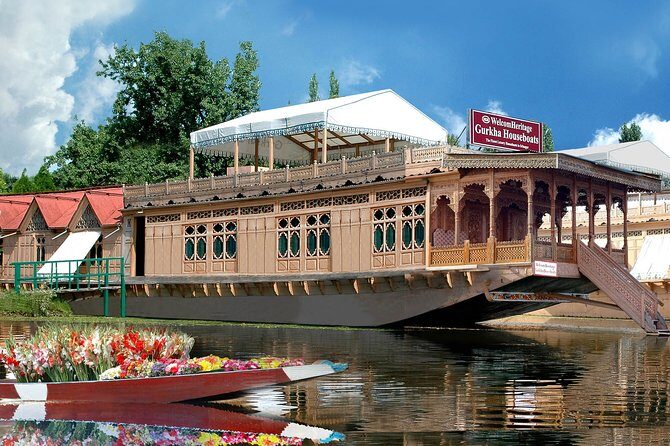
- Houseboat night on Dal Lake: a classic Srinagar experience, not just a quick stop.
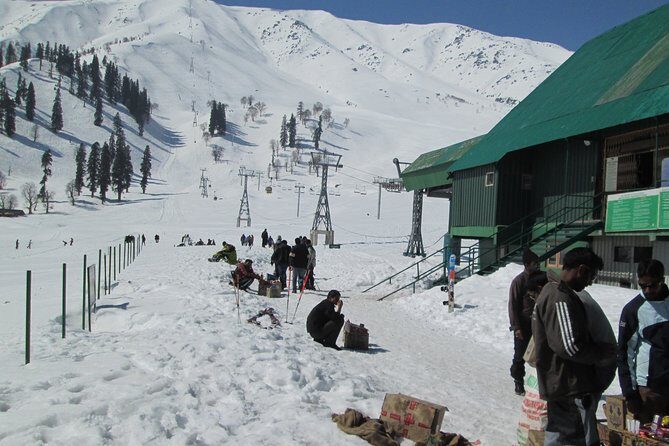
- Cable car to Gondola heights in Gulmarg: a big-view highlight at altitude.
- Temples + Mughal gardens in one sweep: Shankaracharya, Shalimar Bagh, Nishat Bagh, Chashma Shahi.
- Road comfort built in: air-conditioned private vehicle plus bottled drinking water.
- Saffron fields and 1100-year-old Awantipur Ruins: a cultural detour on the way to Gulmarg.
A simple route that hits the valley’s best mix
This tour keeps the rhythm sensible: start in the hills above Jammu, then move into Pahalgam and Gulmarg, and finish in Srinagar where the scenery pairs with old architecture and lake life. The order matters. Patnitop helps you acclimate to the mountains without jumping straight into the coldest feeling altitudes, and then Pahalgam gives you big-meadow Kashmir without rushing.
From there, you get a strong “wow stack.” Gulmarg is the visual peak for many people thanks to the gondola ride, and Srinagar closes with gardens, temples on a hilltop, and a Dal Lake shikara ride. It’s not just sightseeing checkmarks; the route is designed so each place feels like a different chapter of the same region.
You’ll also feel the value in the structure. You’re not expected to organize transfers, hunt entrance tickets, or figure out which guide to trust. You’re given airport assistance, a private AC vehicle for the itinerary, and guides on the days when it matters most.
You can also read our reviews of more tours and experiences in Jammu and Kashmir.

Patnitop: your first Himalayan day, with easy options
Patnitop is a hill resort on the Shiwalik range plateaus, with green meadows and panoramic views of snow-capped peaks in the distance. Think of it as a soft landing. You arrive at Jammu Airport, meet your driver, and head up to check in at your hotel.
What I like about starting here: the pace is forgiving. Day 1 isn’t packed with a long list of stops. Instead, you get time to settle in, walk around, and choose how active you want to be. If you’re in trekking mode, there are short trek options mentioned from Patnitop—one toward Nathatop for serenity plus activities like paragliding and skiing, and another toward Madhatop known for skiing and springs.
Temple and monument time is also built in at the “keep it simple” level, which is perfect if you’re still adjusting after travel. One practical note: mountain temperatures can surprise you even when the trip starts feeling sunny. If you’re coming from hotter plains, pack a light insulation layer.
Pahalgam: meadow country and an easy taste of old Kashmir
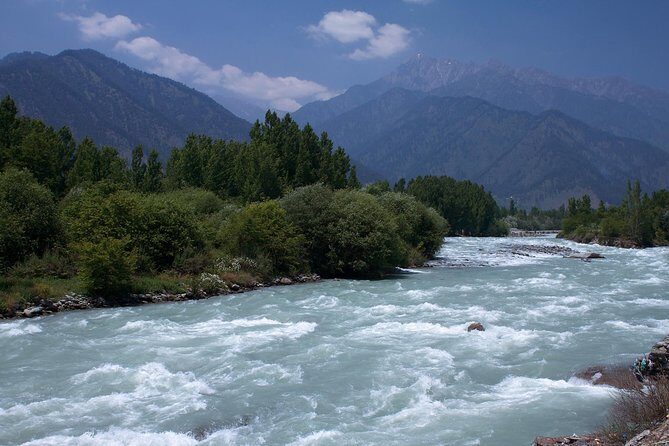
Pahalgam is often called the Valley of Shepherds, and the reason is right there in the details: it sits about 7,000 feet up, where streams meet and the scenery becomes that mix of pine forests and open grazing land. You drive there after breakfast, and then you start seeing the valley’s signature look.
A highlight is Baisaran, a huge undulating meadow surrounded by pine woods. If you like photo stops that don’t feel like a race, this is the kind of place where you can pause and let the view do the talking. The route also passes Hajan on the way to Chandanwari, with the mention of a Shiva temple believed to date to the 5th century. That gives you more than just scenery—there’s a sense of place and time depth.
For day-to-day comfort, Pahalgam works well because the plan is flexible: you get a full drive-and-sightseeing day, but you’re not forced into one extreme activity. It’s also a good fit if your group includes a range of ages or energy levels since meadows and temples are straightforward to enjoy.
Aru Valley: when you want more quiet and more altitude
Day 3 adds Aru Valley, and it’s a strong choice if you like alpine settings, photography, and that calm feeling you get in higher country. Aru Valley is described as a base camp for trekkers heading toward places like Kolahoi Glacier and the Tarsar-Marsar lakes, plus routes toward Vishansar-Kishansar lakes and Kangan.
You don’t need to be a serious trekker to enjoy it. The itinerary presents Aru as a scenic stop with options: sightseeing, hiking, horse riding, trout fishing in the Lidder River (subject to what’s available), and plenty of opportunities for looking at glaciers and peaks from a comfortable vantage point.
One thing I’d plan for: Aru can feel colder and windier than Pahalgam, even on days that are mild elsewhere. So keep your layers ready, and don’t judge the whole trip by the weather at the first stop of the day. This is where the mountains start to feel more like mountains.
Gulmarg: gondola views, plus saffron and ancient ruins on the way
Gulmarg is the place most people picture when they think Kashmir: high altitude, winter sports energy, and massive views. You’ll drive there from Pahalgam after breakfast, with two excellent route stops.
First, there are saffron fields along the way, which adds an unexpected local-agriculture side to the journey. Second, you stop at Awantipur Ruins, home to a Vishnu temple said to be around 1100 years old. That’s a nice cultural break before the trip goes high and cold-feeling.
Once in Gulmarg, the plan includes a city tour and then a gondola ride. The gondola ride is the big-ticket item: it takes you to about 13,000 feet, with views over the Himalayan Mountains and Pir Panjal ranges. Weather can decide how clear those views end up being, but when it works, it’s the kind of ride that makes the whole trip feel worth it.
Gulmarg also has options for extra cost mentioned in the plan: golf (the world’s highest green golf course is referenced), horse riding, hiking, and snow skiing. This matters for value: your core experience is included, and then you can add activities if you want them instead of paying for everything upfront.
Srinagar: Mughal gardens, temple atop Takht-I-Sulaiman, and Dal Lake at night
Srinagar is where the trip turns from mountain air to cultural rhythm and water views. You’ll check in after arriving, and Srinagar includes a night on a houseboat on Dal Lake in the tour overview. That’s not a small detail. Sleeping on the lake changes how you experience the city—morning light hits differently, and the whole pace feels slower.
The full-day city tour mixes Mughal gardens and religious landmarks. You visit Shalimar Bagh and Nishat Bagh, plus Chashma Shahi. These gardens are laid out for walkable sightseeing, and they’re also a great way to cool down from mountain temperatures while still enjoying refined design and scenic water-adjacent views.
Then comes Hari Parbat, described as a hill overlooking Srinagar with a fort from the Durrani era and a mix of religious sites, including a Hindu temple, mosques, and a gurdwara. It’s a reminder that Srinagar isn’t one-note; it’s layered.
Up on the hilltop is Shankaracharya Temple, occupying Takht-I-Sulaiman in the south-east of Srinagar, with roots described going back to around 250 BC. The tour also leaves room for market time, so you can browse at your own speed instead of being marched through a checklist.
That evening is the payoff: a shikara ride on Dal Lake, including stops at floating vegetable gardens. It’s a classic but still worth doing because it’s one of the few times you’ll get a water-level view of Srinagar that feels personal rather than staged.
How the price and inclusions translate to real value
At $1,144 per person for about 7 days, this isn’t a bargain-tour price, so you want to understand what you’re paying for. Here’s the value logic: you’re covering 6 nights of accommodation with breakfast, private air-conditioned transport, and included entry fees to attractions listed in the itinerary. You’re also getting airport assistance and bottled water in the car, plus an English-speaking tour guide on sightseeing days.
The price makes more sense if you’re planning to do what this trip includes anyway—Gulmarg gondola time, Mughal garden visits, and the cultural temple and ruin stops. If you were to arrange those pieces yourself, you’d spend time coordinating and you’d likely pay more for private vehicle time plus guided explanations.
What’s not included is equally important. Flight tickets are not included, and meals beyond breakfast are your responsibility. Camera charges (if any) are also not included, and optional activities like snow skiing or extra Gulmarg add-ons have additional costs. If you’re the type who always orders extra snacks and drinks, budget for that so your trip doesn’t feel unexpectedly expensive.
Comfort-wise, the tour is built for less stress: you’re in a private vehicle, not shared buses, and the guide support on sightseeing days helps you spend time looking, not figuring out.
Timing tips: where snow and tulips can meet the plan
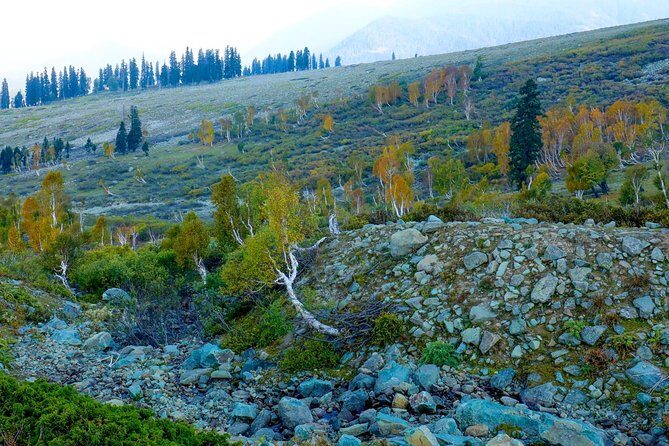
One reviewer note highlights that the trip timing can allow a mix of seasonal experiences, including both tulip season and snow. You can’t guarantee it in advance, but the practical takeaway is simple: dates matter in Kashmir. If you want a higher chance of seeing winter vibes, choose later winter timing for the higher altitude areas. If you want more color in the air, align with spring.
There’s also a note about snowfall being more common in the Jammu division’s hill areas than in Jammu city itself, with a suggestion that places like Patnitop can deliver out-of-this-world snowfall experiences late December to January. I can’t promise weather, but I’d use that as a planning clue: if snow is your goal, don’t assume the nearest town level will match the mountain level.
Who this tour is perfect for (and who should think twice)
This tour is a strong match if you want a private, guided feel with a set itinerary, but still want room to enjoy the scenery at a human pace. It’s great for couples, families, and small groups who don’t want to micromanage transport or entrance tickets.
It’s also a good option if you like variety: meadows and valley views, a cultural stop at old ruins, Gulmarg altitude highlights, and then Srinagar’s gardens and lake experience. The mix is one reason people rate this trip highly—there’s something for nature lovers and people who want temples and architecture too.
Think twice if you’re very sensitive to road travel. The itinerary is mostly driving between hill towns, and while the vehicle is air-conditioned, you still spend time on the road. Also think about weather. Gondola visibility and winter conditions can change the feel of the day.
Should you book the Jammu & Kashmir Valley Tour?
Book it if you want an easy-to-follow route that combines Patnitop, Pahalgam, Gulmarg, and Srinagar with real guided context. I’d especially recommend it if you care about having the big highlights handled: included entry fees, a gondola ride, Mughal gardens, and a Dal Lake shikara evening.
Don’t book it if you want a fully self-guided trip with maximum freedom to change every plan. This one is structured—private and customizable in feel, but still a planned flow from stop to stop. Also, be honest with your budget: flights and extra activities will add up.
If you do book, pack smart for altitude changes. Bring layers for mountain mornings and evenings, comfy shoes for garden walking, and a flexible mindset for weather. Kashmir rewards patience, and this itinerary is designed to keep you in the right places without overcomplicating your day.
FAQ
How long is the Jammu and Kashmir Valley Tour?
The tour is listed as 7 days approximately.
What places are included in the itinerary?
The route covers Patnitop, Pahalgam (including Aru Valley on Day 3), Gulmarg (via Awantipur Ruins and saffron fields), and Srinagar (including a full city tour and a Dal Lake shikara ride). It ends with transfer to Kangra airport for a flight connection via Delhi.
Does the tour include pickup or airport assistance?
Yes. You get assistance on arrival, and pickup is offered.
Is accommodation included?
Yes. The tour includes 6 nights of accommodation (when that option is selected) with breakfast.
Do I get a houseboat night in Srinagar?
The tour overview says you’ll spend one night on a houseboat on Dal Lake in Srinagar.
Are monument or attraction entry fees included?
Yes. Monument entrances and the activity charges mentioned in the itinerary are included.
Is there a guide during sightseeing?
Yes. There is an English-speaking tour guide on sightseeing days, and local guides are used in each city as per the program.
How do I get around during the tour?
You travel in a comfortable air-conditioned private vehicle for airport transfers, sightseeing, and excursions as listed.
What’s not included in the price?
Flight tickets are not included, and meals besides breakfast are not included. Personal expenses (like tips, laundry, phone/internet), optional activities, and any camera charges at monuments (if any) are also not included.
What is the cancellation policy?
You can cancel up to 6 days in advance of the experience start time for a full refund. The refund percentage changes if you cancel closer to the start date, down to no refund if you cancel less than 2 days before.