REVIEW · JODHPUR
Bishnoi Village Safari
Book on Viator →Operated by Blue city wonders · Bookable on Viator
Wildlife and village life in one short ride. A Bishnoi Village Safari from Jodhpur mixes private pickup with close-up culture, from traditional crafts to bird-and-animal spotting in the Bishnoi landscape.
I love how it keeps things personal and time-efficient: a private jeep or car gets you away from crowded transport and into three focused community stops, with coffee or tea included along the way. The other thing I really like is the way artisans work right in front of you, whether it is weaving durries or shaping and firing pottery in a village setting.
One drawback to plan for: there is no lunch included, so you’ll want to eat before or plan a snack, especially if you are starting later in the day.
In This Review
- Key highlights you should care about
- A private vehicle, real village pace, and a guide who sets the tone
- Getting to Guda Bishnoiyan: Bishnoi beliefs meet wildlife watching
- Stop two in Salawas: watching durry weaving and meeting the family behind it
- Luni potter’s village: turning clay into durable, fired pieces
- Coffee, tea, and the 3-to-4-hour flow
- Price and value: why about $23.96 can feel like a good deal
- Who this Bishnoi Village Safari is for (and who should choose differently)
- Practical tips so you enjoy every stop
- Should you book the Bishnoi Village Safari?
- FAQ
- How long is the Bishnoi Village Safari?
- Where does the tour take place?
- What is the price per person?
- Is pickup included?
- Is the tour private or shared?
- What is included in the tour price?
- Is lunch included?
- What wildlife might you see?
- What stops are included in the itinerary?
- What should I know about tickets?
- What is the cancellation and weather policy?
Key highlights you should care about
- Private pickup from Jodhpur (hotel, airport, or station), so you lose less time on getting started
- Wildlife viewing chances at Guda Bishnoiyan: blackbucks, chinkaras, vultures, peacocks, and Great Indian Bustard
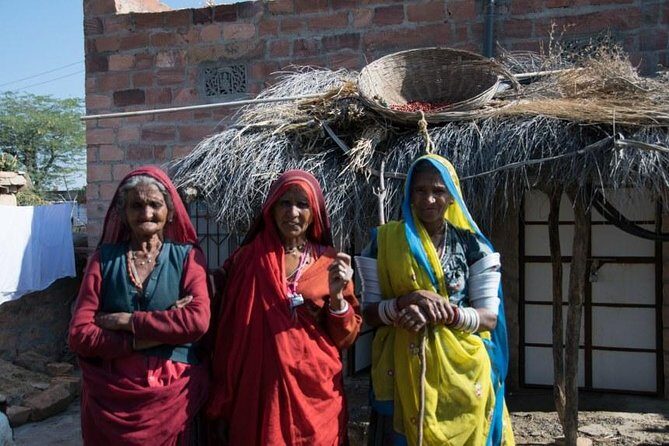
- Weavers in Salawas and a look at day-to-day life behind durry and rug making
- Pottery making in Luni, with a clear sense of how clay becomes durable fired pieces
- Coffee and tea included, plus all fees and taxes, keeping your spend predictable
- Private tour format, just your group, with guide support throughout
A private vehicle, real village pace, and a guide who sets the tone
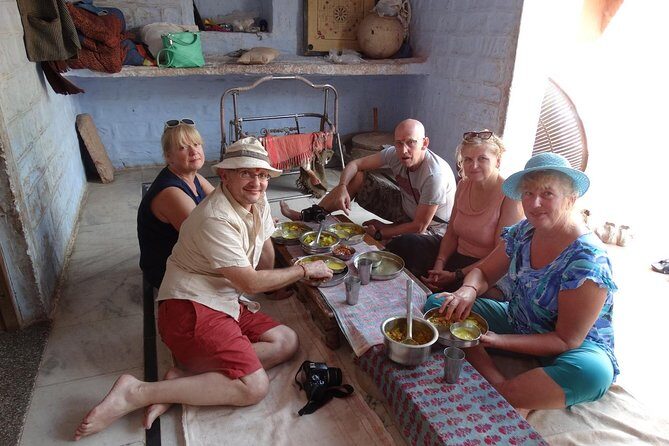
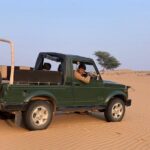
This is one of those Jodhpur-area tours that feels built for comfort and control. You get picked up from your hotel, the airport, or the station, then you go straight to the Bishnoi villages without dealing with bus schedules or constant transfers. For a 3 to 4 hour outing, that matters. Less time commuting means more time watching real work and real daily routines.
The company behind this experience is Blue city wonders, and the guide role really shows in how the stops are explained. In the feedback I read, Ram comes up again and again for being easy to work with and good at explaining what you are seeing, with a friendly sense of humor. Even if you do not go deep on local religion or craft technique, he helps you connect the dots so the visit feels meaningful instead of just photo stops.
You’ll also get a small comfort win: coffee and/or tea is included during the tour. It is simple, but on a warm day it keeps you from feeling like the trip is one long scramble between communities.
A few more Jodhpur tours and experiences worth a look


Getting to Guda Bishnoiyan: Bishnoi beliefs meet wildlife watching
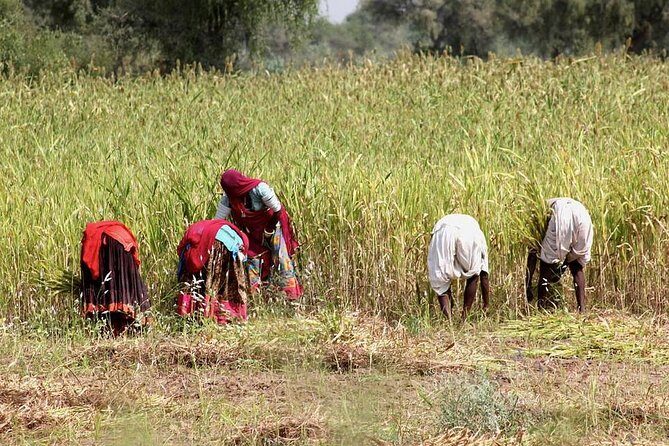
Your first stop is Guda Bishnoiyan, where the focus is twofold: learn about Bishnoi culture and look out for wildlife and birds. You are in an area where people follow a set of values tied to nature. The Bishnoi Panth traces back to Shree Guru Jambheshwar (1451 to 1536), also known as Jambhoji. The group is sometimes linked with the term Vishnoi, referring to followers of Vishan, and many people identify as Bishnoi. Another term you may hear is Jambeshwarpanthi, connected to devotion to their guru.
What I like about starting here is that it gives you a frame before you start seeing animals. If you just arrive and start scanning trees for peacocks or vultures, you can still enjoy it. But if you understand the culture that shapes how these villagers view animals and the land, the birdwatching feels more grounded.
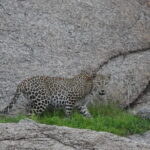
On the wildlife side, the tour description points you toward species to watch for, including blackbucks and chinkaras, plus birds such as vultures, partridge, peacock, and Great Indian Bustard. That last name is a reminder that this is not only about cute sightings. It is about being in a space where different kinds of birds and animals share the same ecosystem.
Is wildlife guaranteed? No tour can promise a specific animal on a specific minute. But the way this stop is set up gives you a real chance, especially because you are in the right type of environment and you are going with someone who knows what to look for.
Tip for your mindset: keep your expectations flexible. If the day is quiet for animals, the cultural context still makes the stop worthwhile.
Stop two in Salawas: watching durry weaving and meeting the family behind it
Salawas is where the tour turns from nature and belief into craft and daily life. You meet a weaver’s family and you see how people make a living weaving durries. This part feels practical in a good way. Instead of hearing about a tradition in a lecture setting, you watch it happening, and you see the rhythms of work that support the household.
There is also an added cultural angle if you travel with kids. Durry Udhyog is mentioned as a place where children can learn about the weaving industry. Even if your kids do not absorb every detail, they usually understand the basics fast: materials come in, weaving happens over time, and the final textiles become items people buy and use.
Salawas is known for rugs made by local craftsmen. If you shop at all, this stop is where you might see the most direct connection between purchase and process. You are not just buying a finished product with no story. You are seeing how the product is built, which changes how you think about what you pay.
Two considerations to keep in mind:
1) If you are not interested in textiles, this stop can feel slower than the wildlife part, because it is about process and conversation.
2) If you are interested in buying rugs or durries, expect the interaction to include explanations. You might spend time looking, asking questions, and deciding what you actually want to bring home.
If you want a smooth experience, set a simple goal before you arrive: decide whether you are browsing for a rug, looking only, or planning to take notes and move on. That keeps the time comfortable.
Luni potter’s village: turning clay into durable, fired pieces
The final stop is Luni, a potter’s village where you can see pottery making up close. You will learn what pottery is and how it works: forming objects with clay and other raw materials, then firing them at high temperatures so they become hard and durable.
I like this stop because it makes craft feel physical. You can point at what is happening, you can see the material transform, and you can understand that pottery is not magic. It is technique plus heat plus patience.
The tour information also describes pottery in general terms, including that it can be used for tableware and decorative pieces, and that firing matters because it turns soft clay into a stable ceramic. Even if you are not a pottery expert, hearing the basic logic helps you appreciate the skill behind something that looks simple once it is finished.
This stop is usually about observation first. If you enjoy hands-on learning, ask questions and watch carefully. If you prefer quiet, you can still get a lot out of watching the workflow without needing to become the center of attention.
Coffee, tea, and the 3-to-4-hour flow
This safari is short. That is good and it is also something to plan around. With three major stops, the timing can feel brisk, especially if you want time for careful animal spotting and slower craft conversations.
You start with an early morning-friendly schedule. The operating window is listed as 6:00 AM to 8:00 PM, Monday through Sunday, which gives you flexibility to choose a time that matches your energy. If you want a calmer outing with a better chance at animal activity, earlier often helps. If you just want to avoid the hottest part of the day, pick a mid-morning or afternoon slot.
Coffee and tea included means you will not reach the end feeling completely empty-handed, but there is still one clear gap: lunch is not included. If your trip overlaps with normal meal time, eat beforehand or plan a light snack for after. Otherwise, the last stop can feel more tiring than it needs to be.
Also, since it is a private tour for your group, the pace is usually set by the guide and your comfort level. If you ask for more time at Salawas or want extra attention for wildlife spotting at Guda Bishnoiyan, you have a better chance of making that happen than on a shared bus.


Price and value: why about $23.96 can feel like a good deal
At $23.96 per person, this tour sits in the low-to-mid range for a private experience in the Jodhpur area. The value comes from a few clear items that are included:
- Jeep or car transport
- Coffee and/or tea
- All fees and taxes
That matters because private tours can get expensive fast once you add admission, local transport, and little extras. Here, the pricing is structured so you do not have to keep doing mental arithmetic while you are on the ground.
What you should factor in is the one missing piece: lunch. If you would normally spend money on a meal anyway, you just shift that cost outside the tour. If you are traveling on a tight schedule, plan a quick bite near your pickup location or pack something light.
In short, the deal feels fair when you use the tour for what it is designed to do: three focused cultural stops plus wildlife and crafts, all within a few hours, with private transport and included drinks.
Who this Bishnoi Village Safari is for (and who should choose differently)
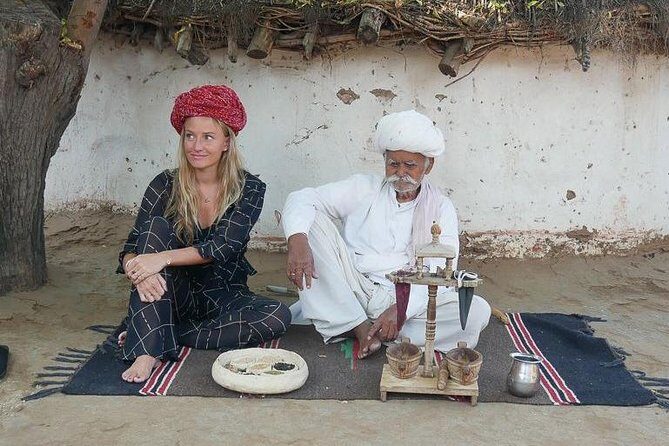
This safari is a great fit if you want a day trip that feels personal, not rushed. You’ll probably enjoy it most if you care about one or more of these:
- local culture and the Bishnoi way of relating to nature
- watching crafts in action, especially weaving and pottery
- short excursions with minimal logistics and a helpful guide
It can also work well as a family outing. The weaving stop has a specific child-friendly angle through Durry Udhyog and learning about the weaving industry. Just remember: it is still a village setting, so keep expectations realistic for kid attention span.
If you are only interested in big-ticket sightseeing like forts or palaces, this may feel too village-focused. The appeal here is not monuments. It is people, animals, and the practical skills that keep households running.
Practical tips so you enjoy every stop
A few smart habits make this tour smoother:
- Bring a light layer and plan for heat. The tour lasts 3 to 4 hours and you will be outside.
- Wear comfortable shoes. You’ll be walking around village areas and moving between stops.
- If you want photos, think about timing. Birds and animals are easier when you are patient and not constantly rushing.
- If you plan to buy textiles or rugs, decide your budget before you arrive. Watching the work can make you want to purchase, and it is better to shop with a clear limit.
One more practical note: the experience states it requires good weather. If conditions are poor, you should expect either a different date or a full refund. That is worth keeping in mind if you are juggling a tight itinerary.
Should you book the Bishnoi Village Safari?
I think you should book it if you want a short private outing that blends culture, crafts, and nature in a way that feels grounded. The included transport plus coffee or tea makes the experience easy to say yes to, and the three stops are different enough that you do not feel like you are repeating the same thing over and over.
Skip it if you need a lunch included, or if you only want famous landmarks and do not care about village life. Also, if you hate any chance of waiting quietly for wildlife or birds, this might feel slower than your preferred style of sightseeing.
If you want a Jodhpur-area experience that feels real—where you can watch how textiles and pottery are made while you learn why the Bishnoi community views nature the way it does—this safari is a strong choice.
FAQ
How long is the Bishnoi Village Safari?
It runs about 3 to 4 hours.
Where does the tour take place?
The tour is in and around Jodhpur, India, visiting Bishnoi-related village areas.
What is the price per person?
The price is listed as $23.96 per person.
Is pickup included?
Yes. Private pickup is offered from your Jodhpur hotel, airport, or station.
Is the tour private or shared?
It is a private tour/activity, so only your group participates.
What is included in the tour price?
It includes jeep or car transport, coffee and/or tea, and all fees and taxes.
Is lunch included?
No, lunch is not included.
What wildlife might you see?
The tour mentions blackbucks and chinkaras, along with birds like vultures, partridge, peacock, and Great Indian Bustard.
What stops are included in the itinerary?
The tour includes Guda Bishnoiyan, Salawas, and Luni (pottery village).
What should I know about tickets?
A mobile ticket is offered, and confirmation is received at the time of booking.
What is the cancellation and weather policy?
You can cancel for a full refund up to 24 hours in advance. The experience requires good weather, and if it is canceled due to poor weather, you will be offered a different date or a full refund.