REVIEW · AYODHYA
Ayodhya tour in 3 days
Book on Viator →Operated by Tour Varanasi · Bookable on Viator
Aarti on the Sarayu feels different. This 3-day Ayodhya plan blends temple time, ghat evenings, and smooth logistics with air-conditioned transfers and an English-speaking guide. I like that you get VIP Darshan tickets and a private boat ride timed for the prayer ceremony.
Two big wins: the evening boat ride (with you on your own private setup) and the chance to see the Ram Mandir area with proper VIP Darshan access. One thing to plan for is queuing at Ram Janambhoomi—expect you might stand 30–40 minutes for darshan.
If the idea of tight schedules stresses you out, build in breathing room. The tour runs on a clear rhythm, but Day 3 is intentionally lighter, with morning leisure before transfer out.
In This Review
- Key highlights to expect
- How this Ayodhya tour keeps you from wasting time
- From airport to Ayodhya Dham: first transfer that sets the tone
- Ram Ki Paidi: your late-afternoon anchor on the Sarayu
- Swarg Dwar evening aarti: the moment you’ll remember
- Private Sarayu boat ride: how it changes the whole vibe
- Suryakund laser light show: a low-effort storytelling win
- Ram Janambhoomi Temple: VIP Darshan with the reality of lines
- Hanuman Garhi: a temple stop with practical views
- Kanak Bhavan Temple: architecture-focused, with time for looking
- Guptar Ghat: the longer, quieter riverside stop
- Day 3: morning leisure and an easy finish
- Guide J Shukla and the value of commentary
- Transfers and tickets: why the logistics are part of the value
- What about Sarnath in an Ayodhya tour?
- Who should book this Ayodhya 3-day tour?
- Should you book this Ayodhya tour?
- FAQ
- What’s included in the tour package for this Ayodhya 3-day experience?
- Do I get picked up at the airport or railway station?
- Is the boat ride included, and when does it happen?
- Are entrance fees to temples and sites covered?
- Is there waiting time for Ram Janambhoomi Temple darshan?
- Can I cancel for a full refund?
Key highlights to expect
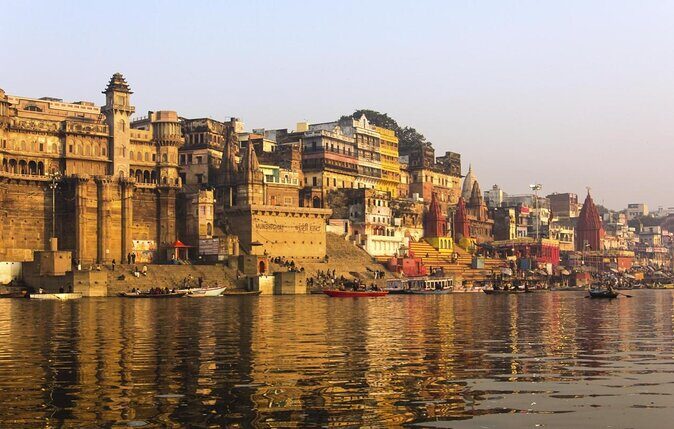
- Private Sarayu River boat ride before evening aarti, so you’re positioned for the ceremony mood
- VIP Darshan tickets for Shree Ram Janambhumi Temple to reduce friction
- Swarg Dwar and Ram Ki Paidi ghats, both built for sunset-to-night devotional viewing
- English-speaking local guide, including real on-the-ground context during temple and ghat stops (guide J Shukla was specifically praised)
- All transfers in an air-conditioned vehicle, helpful in Ayodhya’s heat and crowds
- Suryakund laser light show after sunset for a fast, memorable storytelling option
How this Ayodhya tour keeps you from wasting time
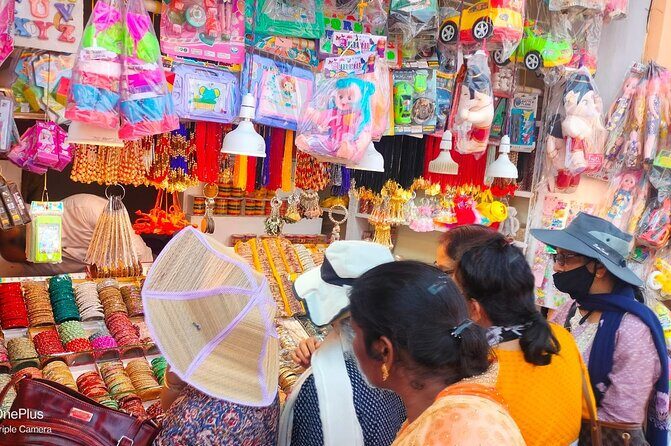
A good Ayodhya day can get derailed fast: crowds, lines, and sudden changes around prayer hours. This tour is designed to prevent that by bundling the most time-sensitive moments—temple darshan and evening aarti—into a logical flow. That matters because Ayodhya evenings are when the city’s devotion feels most alive.
You’ll also appreciate that entrance fees and monument tickets are handled per the itinerary, rather than you guessing what costs extra. Add in air-conditioned transfers and a private setup, and you’re spending more time looking at the places and less time managing the details.
The balance here is mostly temple-and-ghat, but it’s not only standing around. There’s a deliberate mix: sunrise-to-night atmosphere, plus a quieter last day with leisure.
You can also read our reviews of more tours and experiences in Ayodhya.

From airport to Ayodhya Dham: first transfer that sets the tone
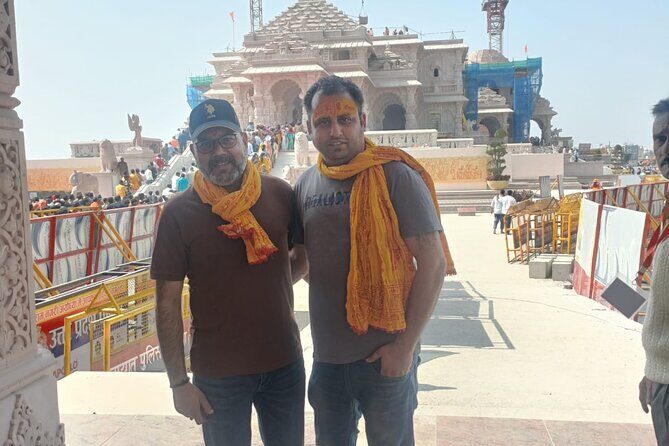
Your trip starts the moment you land or arrive by train. The plan is straightforward: you’re met at Maharishi Valmiki International Airport Ayodhya Dham (or the railway station) and transferred to your booked hotel in a one-time airport/rail pickup.
This first leg is practical value. After travel, you don’t want to waste time figuring out transport, negotiating, or waiting in uncertainty. Here, you’re moved directly, and you can use that time to settle, freshen up, and get mentally ready for a late-afternoon start.
Even the ticket note included in the first stop helps. Admission is marked as free for this arrival segment, so it doesn’t feel like you’re stacking extra costs before the real sights begin.
Ram Ki Paidi: your late-afternoon anchor on the Sarayu
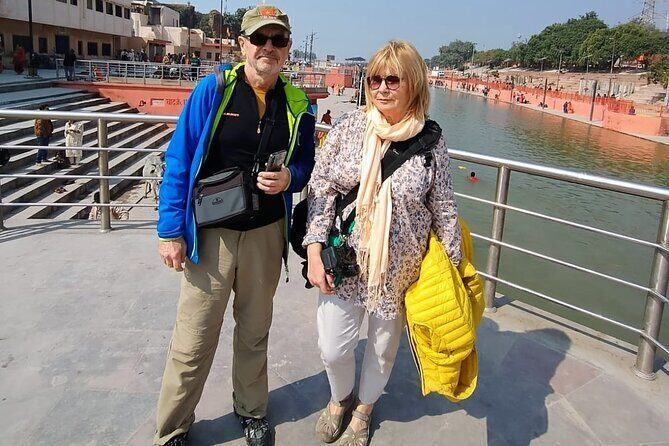
Around late afternoon (about 4 PM), you’ll head to Ram Ki Paidi along the holy Sarayu River. This is one of the key “get your bearings” locations in Ayodhya because it puts you right where pilgrim life happens—steps down to the water, daily rhythms, and the devotional setting that frames everything else.
I like this stop because it’s timed for soft light. It’s early enough that you still feel comfortable moving around, and late enough that you can sense the evening build-up without rushing.
A small consideration: if you’re sensitive to crowds, ghats can feel busy when many people arrive at once. The tour handles this with private vehicle transfers, but you should still expect normal religious gathering energy at the water’s edge.
Swarg Dwar evening aarti: the moment you’ll remember
Then comes Swarg Dwar Ghat as twilight arrives. This is the stop built for devotion-by-night viewing, with rhythmic chants and an evening aarti ceremony. The tour’s structure makes sense here: you don’t jump from temple to temple; you settle into the river atmosphere and let the evening unfold.
For many people, this is the emotional high point of Ayodhya. And the added bonus is that the ceremony timing pairs well with the day’s earlier arrangement for the boat ride. When your boat timing is good, your view of the prayer atmosphere improves without you fighting for space on land.
Wear something comfortable for standing and moving between vantage points. Also, keep your phone ready but not glued to the screen. This is one of those evenings where watching quietly is half the experience.
Private Sarayu boat ride: how it changes the whole vibe
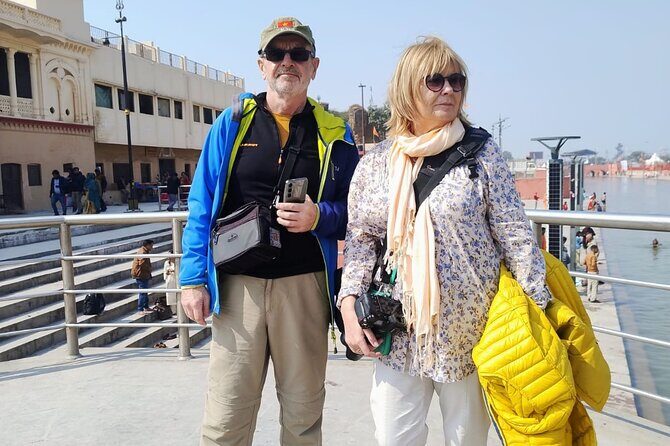
The program includes a private evening boat ride on the Sarayu River, and it’s specifically suggested to do it before the aarti. That ordering is smart: you arrive at the ceremony with the river already “in your body,” so you understand the space rather than just observing it.
I like private boat time because it reduces friction. You’re not trying to share a tight viewing area with a huge group while the ceremony starts. You get your own setup, and the experience feels calmer even in a crowded city.
Practical tip: keep the boat-ride duration in mind when you plan your photos. It’s not a time-killer; it’s a positioning tool. The goal is to experience the prayer atmosphere from water level, then transition to the ghats for the main moments on land.
One note to confirm with the operator: the overall highlights mention a Sarnath tour, but the Ayodhya-focused stops you’ll see here are temples and ghats. Ask how Sarnath is inserted into the 3-day flow so you know exactly where your time goes.
Suryakund laser light show: a low-effort storytelling win
After the ghat evenings, you’ll also visit Suryakund for Ayodhya’s nightly laser light show. This is one of those “easy to fit in” cultural experiences because it’s scheduled around the day’s natural end.
The show is described as unfolding the narrative of Lord Ram’s life, and the timing after sunset helps you settle in rather than rushing between sights. Think of it as a way to tie story themes together after you’ve already seen places connected to Ram’s journey.
It’s also a nice option if you want a break from temple queues. You still get a memorable Ayodhya evening, but it’s seated viewing and not another climb, line, or crowded interior.
Ram Janambhoomi Temple: VIP Darshan with the reality of lines
Daytime focus shifts to the big one: Shree Ramjanmbhumi Temple. The plan includes VIP Darshan tickets, which is valuable because you’re not starting from scratch. You have an advantage that helps you move through the process faster than general entry.
Still, expect at least some waiting. The tour notes you might stand 30–40 minutes for darshan, so go in patient mode. VIP tickets can reduce the headache, but they can’t erase the fact that this is one of India’s most visited religious sites.
If you’re traveling during a peak season, crowds can feel extra intense. In a praised example from a guide named J Shukla, smooth timing and a capable driver helped the group manage busy road conditions during Diwali—so the tour’s “logistics muscle” is worth noticing.
Hanuman Garhi: a temple stop with practical views
After Ram Janambhoomi, you’ll visit Hanuman Garhi Mandir, located on a hill known as Hanuman Garhi. The standout feature here is the panoramic view from the hill, which changes how Ayodhya feels compared to river-level ghats.
This stop also makes sense thematically. You’re moving from the Ram story center to a Hanuman-centered place that pilgrims associate with strength, devotion, and layered mythology. The tour keeps it efficient: about an hour at the temple area, enough to experience the space without dragging into endless wandering.
If stairs and hill climbs slow you down, plan your pace. The tour includes transfers by air-conditioned vehicle, but temple areas themselves involve your own walking.
Kanak Bhavan Temple: architecture-focused, with time for looking
Next is Kanak Bhavan Temple, dedicated to Lord Rama and Sita. This place is known for intricate architecture and colorful paintings, and the tour gives you about an hour—enough time to actually look rather than rush past the details.
I like stopping here because it adds texture. After the heavier crowds and major darshan processes, Kanak Bhavan offers a more focused visual experience. You’re not just “getting in and out”; you can slow down and notice how devotion is expressed through design.
As with most temple areas, keep your expectations respectful and flexible. Some spaces may be crowded depending on the day’s prayer schedule.
Guptar Ghat: the longer, quieter riverside stop
Later on Day 2, you’ll head to Guptar Ghat, about 10 km from Ayodhya. The description ties it to a sacred tradition about where Lord Rama took his last earthly step, giving the stop a sense of solemnity.
The tour gives you around two hours here, which is helpful. A ghat experience needs time: time to walk to a vantage point, time to pause for prayer atmosphere, and time to just be near the water without feeling rushed by the next stop.
This is also a good moment for a slower lunch break in the surrounding area—lunch is mentioned as happening in a local restaurant around this segment. If you want to keep things stress-free, eat before you get too close to peak evening crowding.
Day 3: morning leisure and an easy finish
On the final day, you’ll have morning at leisure. This is one of those underrated inclusions because it lets you recover from early mornings and evening crowds without feeling like you wasted a paid day.
Later, you’ll transfer to Maharishi Valmiki International Airport Ayodhya Dham or the railway station at a suitable time. The transfer back out being included matters, especially if you’re trying to keep your flight or train aligned without additional planning.
This “soft landing” finish is a big quality-of-life factor. A lot of multi-day religious tours end with a stressful last-minute scramble. Here, the last day is intentionally less intense.
Guide J Shukla and the value of commentary
One of the best parts of this tour style is the English-speaking local guide who explains history, culture, and architecture as you move. The tour is set up so you’re not just checking off stops—you’re understanding why each place matters.
In particular, a praised guide from a recent group was J Shukla, and the feedback emphasized how he helped the experience feel smooth even during Diwali season crowds. That’s more than friendliness; it’s planning in motion—knowing where bottlenecks happen and how to keep your group moving with fewer headaches.
Even if you already read about Ayodhya, having on-site interpretation changes what you notice. It helps you connect temple details to the bigger story instead of treating each site like a separate postcard.
Transfers and tickets: why the logistics are part of the value
This tour includes:
- Private air-conditioned vehicle transfers from arrival to departure
- All transfers within the itinerary
- Entrance and monument tickets as listed
- VIP Darshan tickets for Ram Mandir
- Mobile ticket
When all that is bundled, the trip feels “pay once, go.” At $300 per person, it isn’t just about the sightseeing—it’s about removing decision fatigue. You’re less likely to get nickel-and-dimed for small tickets or lose time searching for what’s included.
Also, taxes are included, including GST of 5%, so the price feels more transparent.
One consideration: the tour is private to your group. That can be a pro (faster pace, more control) or a con (less flexibility if you wanted to mingle). Decide based on your travel style.
What about Sarnath in an Ayodhya tour?
The highlights mention a Tour of Sarnath with a guide. But the Ayodhya stop list you’ll see focuses strongly on temples and ghats in Ayodhya itself.
Because the schedule details you receive should clarify timing, I’d treat Sarnath as a “confirm the fit” item. Ask the provider where it falls and how it affects your Day 1–Day 3 flow. That way you get exactly what’s included without last-minute surprises.
Who should book this Ayodhya 3-day tour?
You’ll likely love this if:
- you want temple-and-ghat evenings without juggling transport and ticket hassles
- you care about timed experiences like aarti and sunrise/sunset viewing
- you prefer a private group setup with an English-speaking guide
- you’re aiming for meaningful Ayodhya without turning the trip into a logistics project
You might choose a different option if:
- you dislike queues and long waits even with VIP support
- you want lots of free independent exploration rather than a guided rhythm
Should you book this Ayodhya tour?
If your goal is to experience Ayodhya in a way that feels planned but not overly rigid, this tour looks like a strong pick. The biggest reasons to book are the private Sarayu boat ride, the evening aarti atmosphere, and the VIP Darshan advantage at Ram Janambhoomi.
The main reason to hesitate is the reality of crowds at major darshan points. If you can be patient for that 30–40 minute wait possibility, you’ll be set up for a memorable, well-organized 3 days.
FAQ
What’s included in the tour package for this Ayodhya 3-day experience?
The package includes private air-conditioned vehicle transfers from arrival to departure, a one-time private boat ride on the Sarayu River (suggested before the aarti), services of an English-speaking local guide for the itinerary, VIP Darshan tickets for Ram Mandir, and all taxes including GST of 5%.
Do I get picked up at the airport or railway station?
Yes. On arrival at Maharishi Valmiki International Airport Ayodhya Dham or the railway station, you’ll be met by a representative and transferred to your booked hotel.
Is the boat ride included, and when does it happen?
Yes, a private evening boat ride is included on the Sarayu River. It’s suggested to take the boat ride before the aarti ceremony so you can experience the prayer atmosphere from the water first.
Are entrance fees to temples and sites covered?
Yes. All site and monument entrances per the itinerary are included, along with the specific admissions listed for each stop.
Is there waiting time for Ram Janambhoomi Temple darshan?
The plan notes that you might have to stand in line for about 30–40 minutes for darshan at Ram Janambhoomi Temple.
Can I cancel for a full refund?
Yes. You can cancel up to 24 hours in advance of the experience for a full refund.