REVIEW · ALAPPUZHA
Alleppey Homely Cooking Class
Book on GetYourGuide →Operated by Kayalgram Kayaking and SUP Tours · Bookable on GetYourGuide
One kitchen lesson can teach more than a dozen food walks. This one is in a real home in Kerala, where you cook Kerala classics, eat right away, and talk your way through ingredients and techniques. You’ll start with spice and coconut basics, then move through dishes like Fish Pollichathu and a creamy Kerala dessert.
I really like the intimate setup: it’s a private group, English-speaking host, and you’re not stuck watching from the sidelines. I also love the focus on how the food is actually made—right down to flavor builders like curry leaves, mustard seeds, tangy bases, and how banana leaves change the aroma.
One thing to plan around: the class is not suitable for people with food allergies, and the menu includes seafood (fish and prawns). If allergies or dietary limits are a big issue for you, check first.
In This Review
- Key highlights I’d plan around
- Why a homely Kerala cooking class feels different
- Your 3-hour flow: from ingredient intro to banana-leaf eating
- The Kerala dishes you’ll cook (and what to expect on your plate)
- Fish Pollichathu
- Fish Curry
- Prawns Puttu
- Avial (mixed vegetable comfort)
- Thoran (dry coconut vegetable side)
- Pickle (the essential flavor punch)
- Papad
- Payasam (creamy Kerala dessert)
- Tea
- Spices, coconut, and techniques you can actually repeat
- Family-run hospitality: Shilpa’s home cooking style
- Price and value: what $32 buys you in real meals
- Who should book this cooking class (and who should double-check)
- Logistics that make or break it (quick, practical)
- Should you book the Alleppey Homely Cooking Class?
- FAQ
- Where is the cooking class held?
- How long is the cooking class?
- What does the price include?
- Is pickup or transportation included?
- Is the host English-speaking?
- Is this a private group?
- What dishes are included in the meal?
- Do they accommodate different spice preferences?
- Are there any restrictions on alcohol or drugs?
- Is this suitable for people with food allergies?
- What’s the cancellation policy?
Key highlights I’d plan around
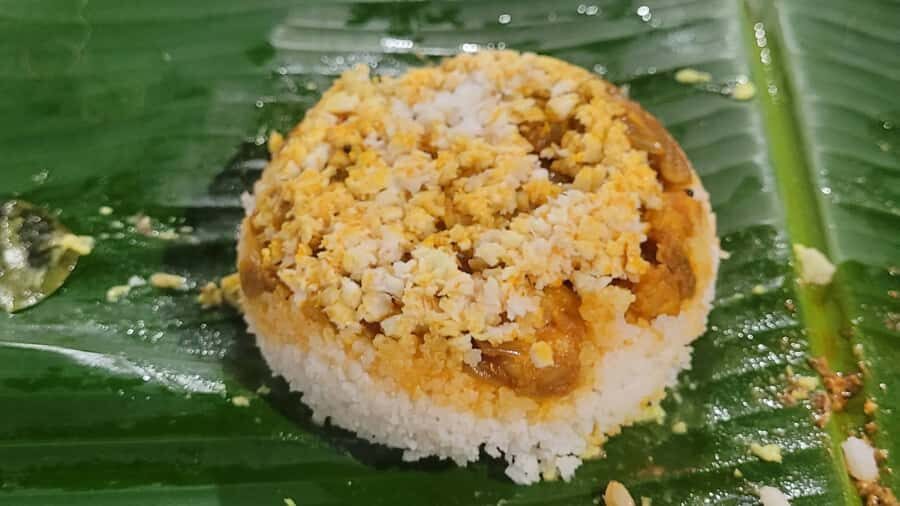
- Cook Kerala at home, not in a showroom kitchen, with host Shilpa and family nearby
- Learn ingredients and spice logic behind dishes like curry-tang, coconut richness, and tempering
- Make and eat a full meal with rice or appam plus papad and pickles
- See Kerala techniques up close, including banana-leaf cooking and coconut-driven sides
- Finish with payasam, the sweet, creamy dessert that gets remembered
Why a homely Kerala cooking class feels different
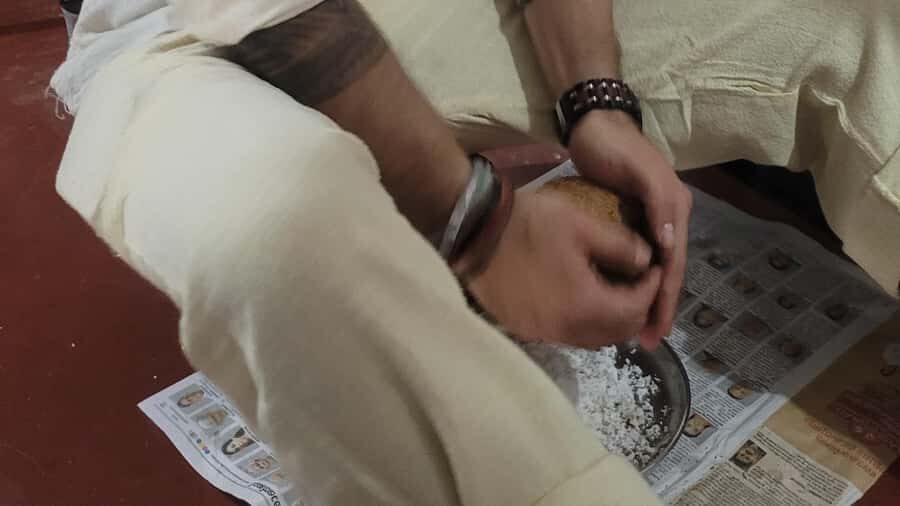
Kerala cooking is built on a few repeat ideas: coconut, spices, slow comfort, and tang. In a classroom-style demo, you might get the gist. In Shilpa’s home kitchen, you get the rhythm—how ingredients are chosen, how flavors stack, and why certain steps matter.
This is also a social experience without trying to be performative. You’re welcomed into a real household, and the cooking runs alongside conversation. Several guests noted meeting Shilpa’s family (her husband and daughter), and that matters because you learn context, not just recipes.
I like that it stays practical. You’re shown what goes into the dishes, you help with the process, and then you eat. No “magic” steps. No mystery seasoning packets. Just Kerala food done the way people actually eat it.
You can also read our reviews of more tours and experiences in Alappuzha.

Your 3-hour flow: from ingredient intro to banana-leaf eating
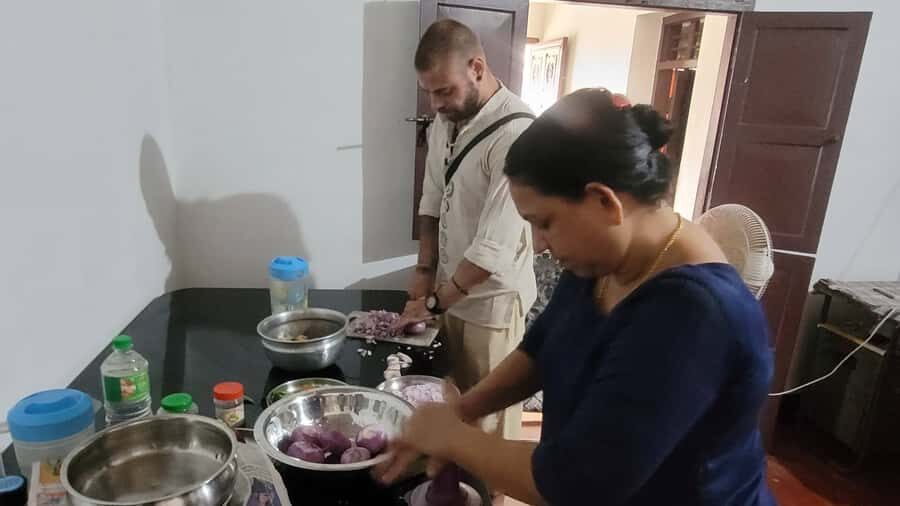
You’re in the kitchen for about 3 hours, and the structure is simple: learn the key ingredients, cook several dishes, then share the meal. The meeting point is Shilpa’s home—easy to find once you’ve got the address, and designed for a relaxed start without pickup logistics.
Here’s what the time typically feels like based on the dish mix:
- Start with ingredients and technique basics: You’ll get an introduction to key Kerala items used across multiple recipes. Expect talk about spices, coconut, curry leaves, and tang (often from tamarind or raw mango in Kerala-style curries).
- Hands-on cooking across a spread: You won’t just do one dish. You’ll work your way through a set that shows Kerala variety—seafood mains, vegetable sides, crunchy papad, pickles, and a dessert.
- Eat together and relax: The meal includes lunch/dinner and tea, served with rice or appam. In Kerala, food like this is not meant to rush.
One small “consideration” that can affect your enjoyment: if you’re someone who wants strict step-by-step written recipes, you might find yourself wishing for more takeaway details. The food and explanations are strong, but the class is still very much about doing it together rather than handing out a full printed pack.
The Kerala dishes you’ll cook (and what to expect on your plate)
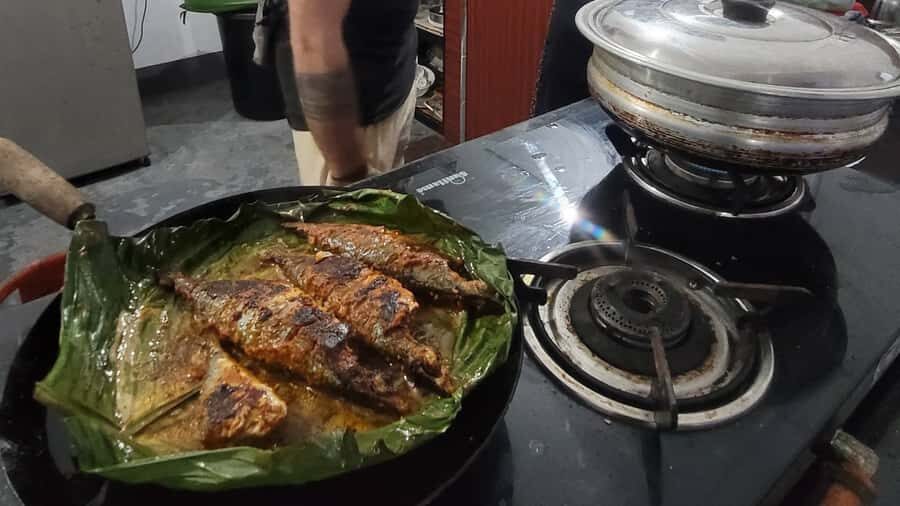
The class is built around a Kerala spread that makes sense: seafood mains, coconut-forward sides, crunchy textures, tangy pickles, and a creamy finish. Below is what you should expect—how each dish works, and why it’s part of the homely style.
Fish Pollichathu
This is one of the signature flavors of Kerala. Fish gets marinated in a spice mix, wrapped in banana leaves, then grilled or steamed. The banana leaf isn’t just packaging—it perfumes the fish with a soft, earthy aroma.
What you’ll learn here is how spices behave on protein, and how wrapping changes the cooking outcome. If you like the idea of bold flavor without drowning food in sauce, this one fits.
Fish Curry
Kerala is famous for its fish curries, and this one follows that logic: fish cooked with a blend of spices and coconut milk, often with tamarind or raw mango for tanginess. That sweet-sour element is a big reason Kerala curries feel balanced instead of heavy.
If you’re the type who always wonders why certain curries taste brighter, watch for the role of that tang and how the coconut rounds it out.

Prawns Puttu
Prawns puttu blends ground prawns, grated coconut, and spices into a steamed preparation—often formed in cylindrical molds or steamer setups. It’s a clever dish because it turns seafood into something lighter than a typical curry.
This is the kind of Kerala food that’s great for understanding texture. You’re not only tasting; you’re learning how ingredients are shaped and cooked to keep things tender.
Avial (mixed vegetable comfort)
Avial is a classic Kerala mixed vegetable dish cooked with coconut and yogurt, seasoned with coconut oil and curry leaves. It’s usually mild and slightly tangy, which makes it a perfect counterpoint to richer seafood flavors.
If your spice tolerance isn’t high, Avial is a safe anchor in the meal, and it shows how Kerala balances creamy and tangy notes.
Thoran (dry coconut vegetable side)
Thoran is a dry vegetable dish with grated coconut—think of it as a coconut-seasoned side that clings to the vegetables instead of swimming in gravy. Mustard seeds and curry leaves add that unmistakable tempering aroma.
This dish teaches technique: you’ll see how coconut gets toasted or cooked just enough to carry flavor.
Pickle (the essential flavor punch)
Kerala meals often include pickle for a reason: it cuts through richness and adds punch. You’ll likely see options like mango pickle and lime pickle, where fruits or vegetables are marinated with spices, salt, and oil.
Don’t skip it. Pickle is where you really taste Kerala’s love for contrast—fatty coconut, tangy pickle, and savory curry in one bite.
Papad
Papad (papadam) is the thin, crispy flatbread that shows up as an essential side or starter. In Kerala, papads are often made with rice flour.
This part is about texture, plain and simple: crisp crunch against saucy curries.
Payasam (creamy Kerala dessert)
You’ll end with payasam, a sweet, creamy dessert made with milk and sugar, sometimes using jaggery. It can be flavored with cardamom, saffron, or nuts, and a famous variation is Ada Pradhaman made with rice flakes and jaggery.
Payasam is comfort food with spice perfume. If you only try one dessert in Kerala, this is a strong contender.
Tea
Kerala tea is often bold and fragrant, brewed with spices like cardamom and ginger, served with milk and sugar. It’s not an afterthought here—it’s part of the full meal rhythm.
Spices, coconut, and techniques you can actually repeat
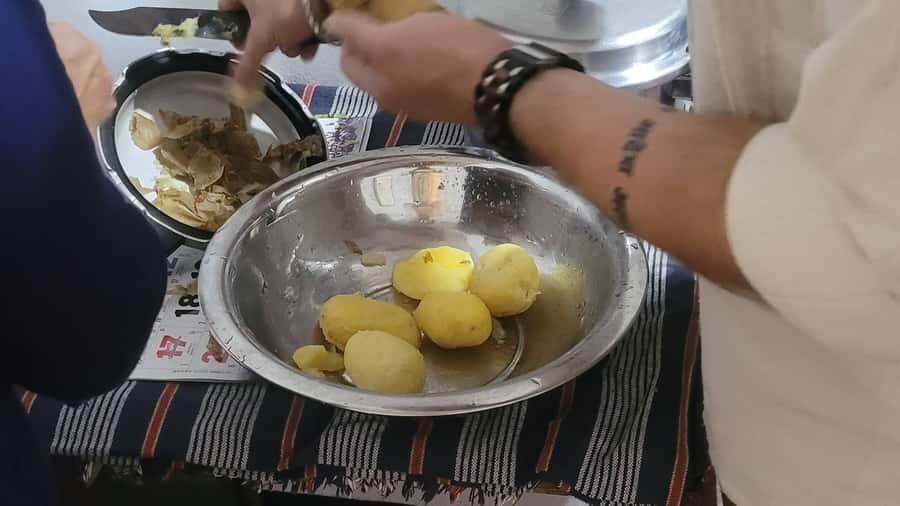
What makes this class valuable isn’t only the taste. It’s the “why” behind the flavors.
You’ll get repeated exposure to:
- Coconut as a flavor engine: Coconut milk in curry for body; grated coconut in thoran and prawns puttu for that steady sweetness and depth.
- Temper whatever you’re making: Mustard seeds and curry leaves show up in ways that signal Kerala cooking style—fragrant at the start, then carried through.
- Tang that wakes up the meal: Fish curries often rely on tamarind or raw mango. That tang is what keeps coconut and spice from feeling flat.
- Banana leaf magic: Fish pollichathu shows how banana leaves change aroma and how wrapping can make cooking more forgiving.
And a practical bonus from guest experiences: you might get to see tools and methods you haven’t used before—one guest specifically called out the coconut grater, something many people have never seen until they’re standing in Kerala kitchens.
If you cook at home, this is where you’ll benefit most. You’ll taste, but you’ll also start mentally mapping each ingredient’s job.
Family-run hospitality: Shilpa’s home cooking style
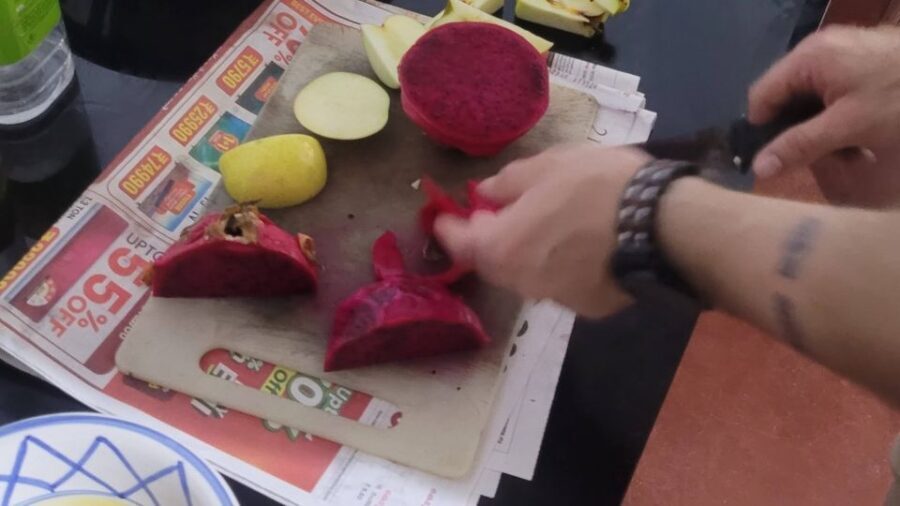
Host Shilpa is the heart of the experience. Guests describe her as responsive with messages and attentive during the class. The tone is warm and relaxed, and conversation is part of the meal.
That family element isn’t just sweet. It often leads to better teaching, because the food is explained as something lived, not as content. In multiple accounts, guests mentioned talking through recipes for hours, plus hearing stories about Alleppey life.
Also, spice level matters. Several guests noted the cooking was adjusted for spice tolerance, which is a real kindness if you love flavor but don’t want your mouth reorganized for the rest of the day.
Price and value: what $32 buys you in real meals
At $32 per person for about 3 hours, this class can be a great value compared to how often “cooking classes” end up being short and mostly observational.
Here’s why the price holds up:
- You get a private group experience (not jammed into a large crowd).
- The class includes lunch/dinner and tea, so you’re not paying extra for the meal.
- You cook multiple dishes, which means you take home more than one recipe’s worth of technique.
Do keep your expectations aligned. It’s not a big commercial production with printed worksheets and branded utensils. It’s homely Kerala cooking. If you’re there for the food and the process, the cost-to-experience ratio is strong.
Who should book this cooking class (and who should double-check)
This experience suits you if:
- You want hands-on Kerala cooking in a real home.
- You like seafood and coconut-forward flavors.
- You enjoy learning through conversation, not just watching.
- You prefer small-group attention and an English-speaking host.
You should double-check before booking if:
- You have food allergies (the class is explicitly not suitable).
- You avoid fish and prawns, since seafood dishes are part of the menu.
- You expect detailed printed recipes or ingredient lists to take home (not mentioned as guaranteed).
Logistics that make or break it (quick, practical)
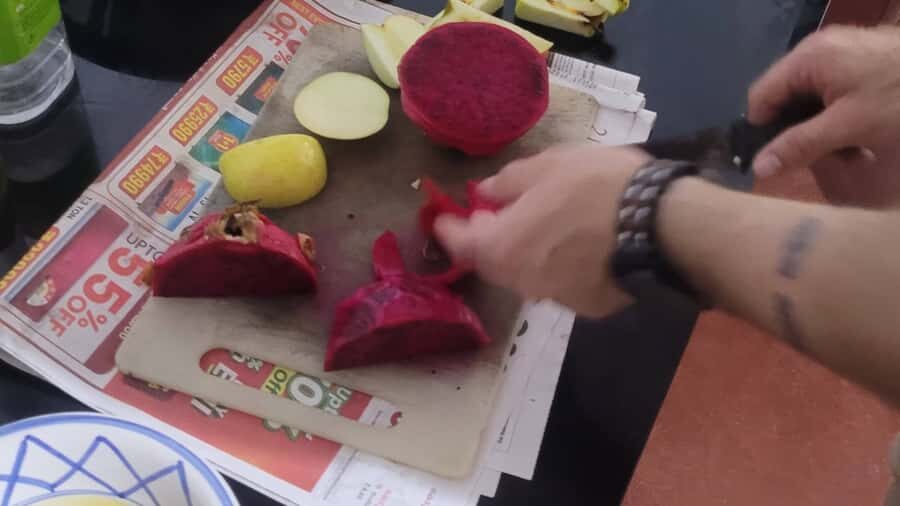
The meeting point is the host home in Kerala, with nearby family members (parents and relatives live close). Since pickup/transportation isn’t listed as included, plan to get there on your own unless you’ve been told otherwise by the organizer.
One practical note: a couple of guests mentioned help with pick and drop off. That’s a good sign, but it’s safer to treat it as conditional—ask ahead of time if you need it.
Also bring a simple mindset: this is a home meal. If you respect the pace, you’ll get more out of the cooking and conversation.
Should you book the Alleppey Homely Cooking Class?
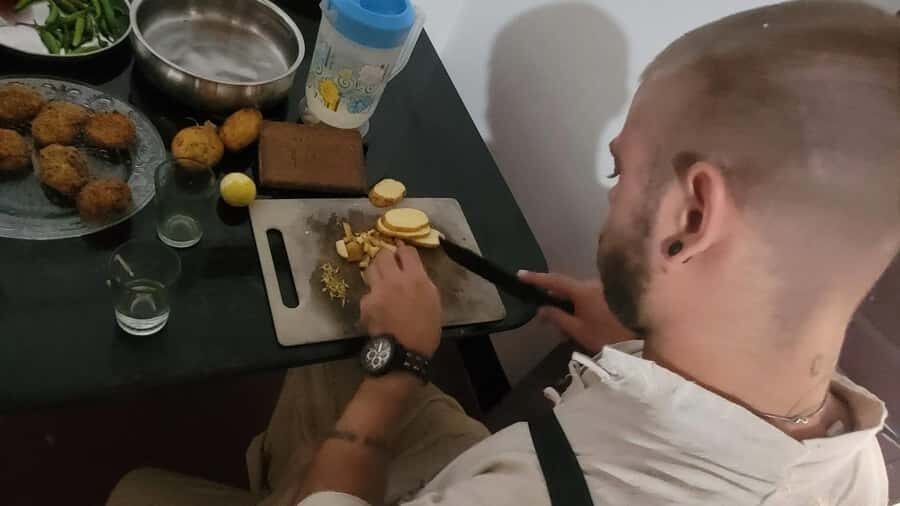
I’d book it if you want Kerala food you can taste and understand—especially the coconut-and-tang balance and the banana-leaf seafood idea. For $32, you get real teaching time, a full meal, and tea, all in an English-friendly, private-group setting with host Shilpa and family.
I wouldn’t book it if allergies are in the picture, or if your diet can’t include seafood. And if you mainly want a classroom-style recipe packet, you might leave feeling like you cooked a lot but didn’t get enough written extras.
If you can match those two conditions—no allergy issues and you’re open to the menu—this is one of the more memorable, practical ways to experience Kerala beyond just sightseeing.
FAQ
Where is the cooking class held?
It’s in Kerala, India, and you meet at the host’s home in the Alleppey area.
How long is the cooking class?
The class runs for about 3 hours.
What does the price include?
The price includes the Kerala cuisine cooking class, lunch/dinner, and tea.
Is pickup or transportation included?
Pickup or transportation is not listed as included, so you’ll want to arrange your own way to the meeting point.
Is the host English-speaking?
Yes. The host or greeter speaks English.
Is this a private group?
Yes, it’s a private group experience.
What dishes are included in the meal?
The menu can include fish pollichathu, fish curry, prawns puttu, avial, thoran, pickle, papad, payasam, plus tea, typically served with rice or appam.
Do they accommodate different spice preferences?
You might find the cooking is adjusted for spice tolerance during the class.
Are there any restrictions on alcohol or drugs?
Alcohol and drugs are not allowed.
Is this suitable for people with food allergies?
No, it is not suitable for people with food allergies.
What’s the cancellation policy?
You can cancel up to 24 hours in advance for a full refund.