REVIEW · AGRA
Agra: Guided Tour of Taj Mahal, Agra Fort and Fatehpur Sikri
Book on GetYourGuide →Operated by ITS Holidays · Bookable on GetYourGuide
Three Agra icons, one well-paced day. The best part is the early start for the Taj Mahal, plus guided attention that helps you notice details you’d otherwise miss. You also get a small group feel (up to 10 people), so your questions don’t get lost in the shuffle.
I especially liked how the guides guide your eyes and even your camera—people like Salamat Khan at the Taj, Iqrar, Abdul Kadir, and others are described as spending real time with photos and explanations. One thing to keep in mind: the day may include stops at souvenir or artisan shops, and those can feel pricier than local markets unless you set clear boundaries.
In This Review
- Key Points Worth Knowing
- A Pickup That Gets Your Day Rolling Without Hassle
- Taj Mahal at Sunrise: How to See More Than a Pretty Building
- Sunrise timing: why it’s worth the early hour
- Agra Fort: Red Sandstone, Real Mughal Power
- Fatehpur Sikri: The “Ghost City” That Actually Makes Sense
- A good guide makes or breaks Fatehpur Sikri
- Lunch in Agra: The Comfort Break (and the One Caveat)
- Skip-the-Line Tickets: What It Means for Your Time
- Friday closure: a real planning issue
- Price and Value: Why It Feels Like a Bargain (With Two Hidden Costs)
- Transportation, Pace, and What “8 to 12 Hours” Feels Like
- Who This Tour Suits Best (and Who Should Rethink It)
- A Few Behavior Tips That Make the Day Smoother
- Should You Book This Agra Day Tour?
Key Points Worth Knowing

- Early-morning Taj Mahal timing aims to cut crowd stress and improve your photo odds
- Small-group tour (max 10) keeps the pace human and your guide easier to talk to
- English-speaking guidance, with other languages also available, makes history easier to follow
- Three UNESCO-level stops in one outing: Taj Mahal, Agra Fort, and Fatehpur Sikri
- Skip-the-ticket-line service, but monument fees aren’t included
A Pickup That Gets Your Day Rolling Without Hassle
Agra tours can fall apart fast when pickup times are vague or transport is uncomfortable. This one is built around a simple promise: you’re collected from set locations in Agra and nearby areas like New Delhi, Gurugram, Noida, and Agra Cantt, then dropped back at the end. That matters if you’re arriving by train, don’t want to negotiate taxis, or simply want to avoid wasting your one precious day in the city.
You’ll ride in an air-conditioned vehicle with bottled water, and the group stays small. The driver part is more than a convenience—punctual drivers make it possible to reach the Taj Mahal early enough to feel like you’re seeing it at its best.
You can also read our reviews of more guided tours in Agra


Taj Mahal at Sunrise: How to See More Than a Pretty Building

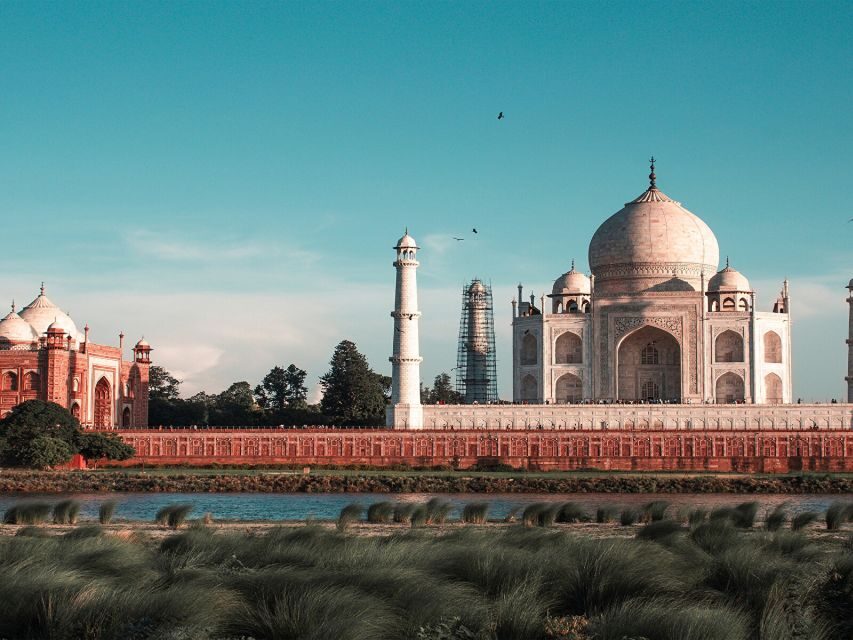
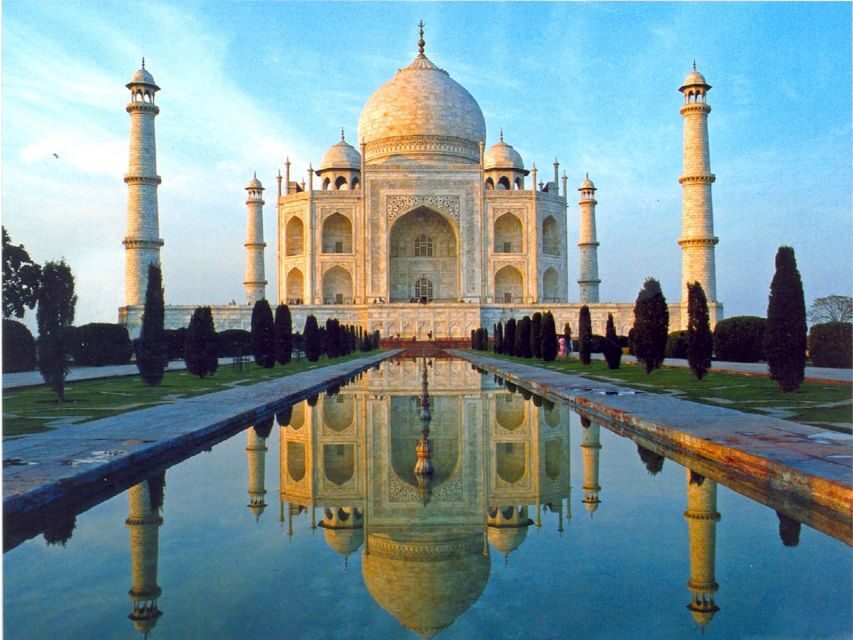
The Taj Mahal is famous. That’s the problem. Everyone expects a photo, and they end up chasing angles while missing the symbolism. A guided sunrise-style visit helps you do both: admire the view and understand what you’re looking at.
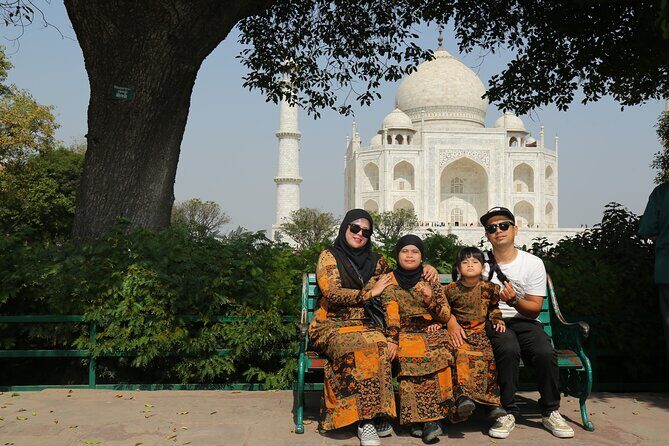
You meet your guide in the morning and head to the Taj Mahal. Guides such as Salamat Kahn, Iqrar, Mohammed, and Abdul Kadir are repeatedly noted for explaining what’s happening around each corner—how the complex fits together, what to look for in the marble details, and why certain views land the way they do. And yes, many guides are also described as being very active with photo direction, which is a big deal if you’re traveling as a couple or as a solo visitor and want less awkward picture-taking.
A practical note: comfortable shoes matter here. The Taj isn’t a sit-and-stare attraction. You’ll be walking, stopping, and repositioning.
Sunrise timing: why it’s worth the early hour
Early access isn’t just for romance. In practice, it helps with:
- Less crowd interference while you learn the layout
- More breathing room for photos and questions
- Better overall pacing so you don’t feel rushed through the best parts
Agra Fort: Red Sandstone, Real Mughal Power

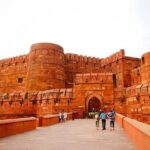
After the Taj, the schedule shifts to the Agra Fort, a massive fortification linked to Mughal rule. It’s made of red sandstone and feels different from the Taj Mahal immediately—less delicate, more command-center. This stop is where you start seeing how power was staged: control of space, walls that enforce authority, and architecture that’s built to last.
Your guide leads the visit and connects the dots between what you saw at the Taj and what you’re now seeing in the fort. Some guides are described as timing entry and helping you pick good photo angles, and that’s useful here because the fort’s viewpoints matter.
Is it as photo-friendly as the Taj? Not in the same way. But that’s exactly why it belongs in this itinerary. You get contrast: a white marble love monument, then a fortress of governance.
Fatehpur Sikri: The “Ghost City” That Actually Makes Sense

Fatehpur Sikri is the surprise ingredient in the day. The name “Ghost City” gets tossed around for a reason: parts of it feel like a time capsule, and the scale is big enough that it can feel oddly quiet.
You drive out in the late morning, tour with a local guide, then head back toward Agra for lunch. Guides such as Sumit Kumar and Anish are mentioned as patient and photography-friendly, and others like Abrar are described as guiding visitors through the site with relevant context. The biggest value here is interpretation—when someone explains what you’re looking at, Fatehpur Sikri stops feeling like random old buildings and starts feeling like an engineered capital.




A good guide makes or breaks Fatehpur Sikri
One review includes a complaint that a Fatehpur Sikri guide rushed and pushed street-vendor shopping. That’s not a reason to skip the stop—but it is a reminder to be clear about what you want:
- If your priority is monuments and photos, tell the guide early
- If you want to skip vendor interruptions, say so firmly
A strong guide will adjust your pace around your preferences.
Lunch in Agra: The Comfort Break (and the One Caveat)

Lunch is scheduled during the return from Fatehpur Sikri, and there’s a stop listed at Courtyard by Marriott Agra. In other words: you’ll get a real break, not just a hurried snack.
Here’s the caveat. Monument fees aren’t included, and lunch is listed as not included in the package price—even if lunch is part of the itinerary. Also, at least one person notes that the specific restaurant experience may vary depending on schedule. So think of lunch as a planned rest stop, but don’t assume you’ll pay zero or get the exact meal option described in any marketing text.
Skip-the-Line Tickets: What It Means for Your Time

This tour promises skip the ticket line, which is a lifesaver on high-demand days. But tickets themselves fall under monument fees not included. That means you should expect to buy or arrange entrance tickets even though the process is streamlined.
What “skip-the-line” usually translates to on the ground is this: your guide/driver setup helps you avoid long waits at the entrance step, so you lose less time and spend more time inside the sites. One review also notes that starting early helps reduce crowd pressure, which matches the early timing of the day.
Friday closure: a real planning issue
There’s one non-negotiable scheduling detail: the Taj Mahal is closed on Friday of tourist. If your dates land on a Friday, plan accordingly—either choose a different day or have a backup plan in Agra that doesn’t depend on Taj entry.
Price and Value: Why It Feels Like a Bargain (With Two Hidden Costs)
The listed price is $4.39 per person, which looks almost too good to be true for a full day with hotel/rail pickup, an air-conditioned vehicle, parking fees, bottled water, and an English-speaking guide.
But the value equation has two important add-ons you should expect:
- Monument fees (not included)
- Lunch (not included)
So how should you think about value? You’re really paying for:
- Guided interpretation (so you don’t treat these sites like photo backdrops only)
- Transportation across three major destinations without you managing routes
- Entry assistance, including skip-the-line handling
If you try to assemble this day on your own—driver, tickets, guides at multiple sites, plus timing—you’ll usually pay more in time and money than you expect. This itinerary’s appeal is that it bundles those moving parts into one structured day.
Transportation, Pace, and What “8 to 12 Hours” Feels Like
The day runs 8 to 12 hours, which is a wide window. That usually comes down to pickup location, traffic, and how much time you spend at each site.
Here’s what to expect in the overall flow:
- Morning pickup (around 07:00) then you reach the Taj area (around 07:30)
- Taj Mahal guided visit
- Agra Fort around 10:30
- Drive to Fatehpur Sikri around 12:00, tour on site
- Lunch around 2:00 on the way back (with time to settle before heading to your drop-off)
You’ll want to treat this as a full-day sightseeing program, not a relaxed stroll. The benefit is that you cover the major Agra hits in one go.
Who This Tour Suits Best (and Who Should Rethink It)
This works best if you:
- Want to see Taj Mahal + Agra Fort + Fatehpur Sikri without planning transport and timing
- Appreciate guided attention and photo help
- Prefer a small group where the guide can actually manage questions
You might want to rethink it if:
- You dislike any shopping detours (the day may include stops connected to souvenir or artisan purchases)
- You’re traveling with a baby stroller (not allowed)
- You’re sensitive to pace (the day is packed; one site can feel fast if you prefer slower attention)
And there’s a clear limitation: it’s not suitable for pregnant women, based on the activity’s listed restrictions.
A Few Behavior Tips That Make the Day Smoother
Based on the kinds of feedback people share, these small tactics help a lot:
- At the start, tell your guide your priorities: monuments first, shopping only if you choose it
- Give your guide permission to take photos, but also ask for time to explore on your own
- Wear shoes you trust for walking and standing in sun and shade
If you like good photos, you’ll get them. If you don’t want shopping pressure, you can avoid it with clear instructions.
Should You Book This Agra Day Tour?
Book it if you want a low-stress, guided way to hit the biggest Agra landmarks in one day, with early Taj Mahal timing and a driver/guide team that’s set up for photo-friendly, explanation-led visits. It’s especially good value when you factor in transport, parking, bottled water, English-speaking guidance, and small-group size.
Skip or reconsider if you’re traveling on a Friday (Taj Mahal closure), or if you know you’ll be annoyed by souvenir-shop stops. Also, if you need a more relaxed pace between sights, you may find this too structured.
If your goal is to spend your limited time in Agra understanding what you’re seeing—and still leave with strong photos—this is a solid bet.