REVIEW · KOCHI
Learn Traditional Kerala Meal in Kumarakom
Book on Viator →Operated by GOVOYAGE HOSPITALITY · Bookable on Viator
If you love food, this is a smart shortcut. In four hours in Kumarakom, you go from local market to hands-on Kerala cooking, ending with a shared meal and Sulaimani Tea.
What I like most is that you learn the why, not just the steps: how to spot fresh produce and how spices and masalas work together. I also like the flexible structure, with vegetarian and non-vegetarian options shaped by your group’s preferences.
One thing to consider: it’s weather-dependent and the experience doesn’t changeable once booked, so pick your date with care.
In This Review
- Key highlights you can plan around
- Kerala Meal in Kumarakom: what you’re really buying
- Meeting point, pickup, and how the timing feels
- The market stop: where Kerala flavor starts
- Kitchen time: technique, masalas, and learning without stress
- Cooking for veg and non-veg without losing the fun
- The shared meal moment and the Sulaimani Tea touch
- What the host style teaches you (not just recipes)
- Price and value: is $89.89 worth it?
- Weather, pace, and who this suits best
- Should you book this Kerala meal cooking class?
- FAQ
- How long is the Kerala meal experience?
- Where does the experience start and does it include pickup?
- Is this tour private or shared with other groups?
- What will I cook if I’m vegetarian?
- Will fish or meat dishes be included?
- How do tickets and confirmation work?
- What happens if the experience is canceled?
Key highlights you can plan around
- Market shopping with a focus on freshness (including how to choose ingredients)
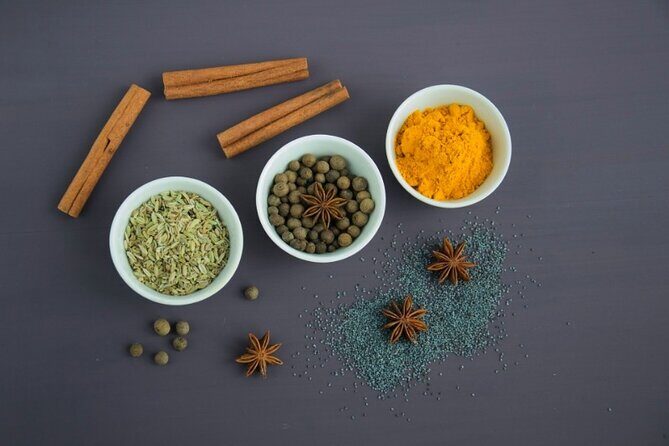
- Hands-on cooking with guidance on Kerala spice and masala combinations
- Veg and non-veg paths that match individual preferences in the same session
- A shared meal experience right after cooking, with Sulaimani Tea
- Private group feel (just your party) in a maintained kitchen setup
Kerala Meal in Kumarakom: what you’re really buying
This isn’t a sit-and-watch class. You’re part of the process—from selecting ingredients to cooking the dishes, then eating what you made. That matters because Kerala cooking is built on layering flavors, and you learn those layers with your own hands.
The best part is the structure: market first, kitchen second. You start with ingredients you can actually point to—spices, vegetables, and choices that fit vegetarian and non-vegetarian diets. Then you return to the kitchen and connect those ingredients to real cooking technique.
At about four hours, this is also a good value for people with limited time. You get enough time to cook, ask questions, and leave with something more practical than a photo and a vague memory of curry.
You can also read our reviews of more tours and experiences in Kochi.

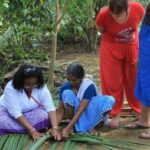
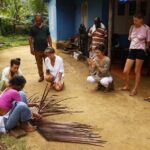
Meeting point, pickup, and how the timing feels
You’ll start at Cheepunkal, Kavanattinkara, Kumarakom, Kerala 686563, India, and the activity ends back at the meeting point. Pickup is offered, which is a big help in this area if you don’t want to coordinate rides while you’re hungry and shopping.
You’ll also have a mobile ticket, and you should receive confirmation within 48 hours of booking (as long as availability holds). If you’re booking close to your trip, plan for that confirmation window so you’re not scrambling.
The session runs around 4 hours, which is long enough for a real cooking rhythm. Short classes can feel rushed. This one has room to learn how spices behave while you’re cooking, not just after you’ve already plated.
The market stop: where Kerala flavor starts
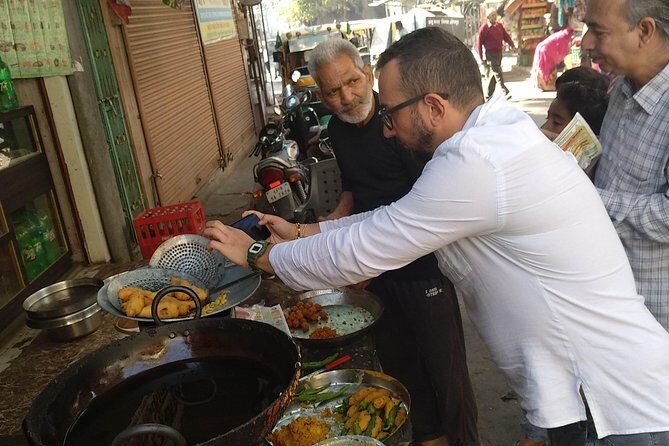
The heart of the experience is the trip to local markets to pick ingredients used in Kerala meals. You’re not just walking through stalls—you’re learning what matters when you buy.
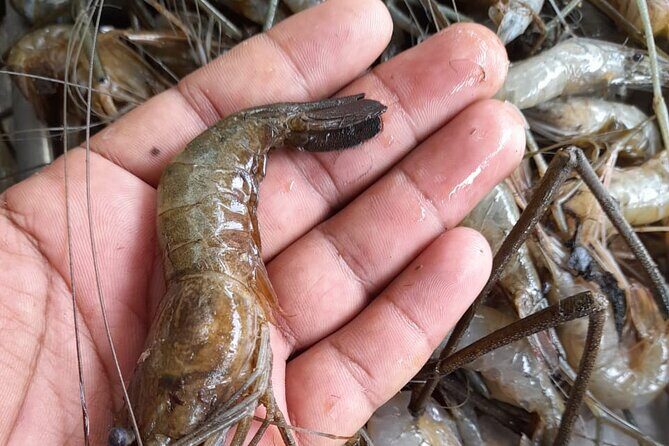
From the market, you’ll practice the basics of choosing fresh produce. That includes understanding how to identify quality (and what to look for) for items used in vegetarian meals, plus choices used in fish and meat dishes when those are part of the group’s preferences.
If you’re the type who enjoys food planning, you’ll likely appreciate this part. Seeing how ingredients are selected teaches you what to replicate later, even when you’re shopping back home. In plain terms: you learn how to avoid bland ingredients and how to stop guessing.
You’ll also get a feel for the everyday reality of spice use. Kerala cooking relies heavily on masalas, and the market stage helps you understand them as ingredients you can measure and work with—rather than some mysterious paste that appears at the end.
Kitchen time: technique, masalas, and learning without stress
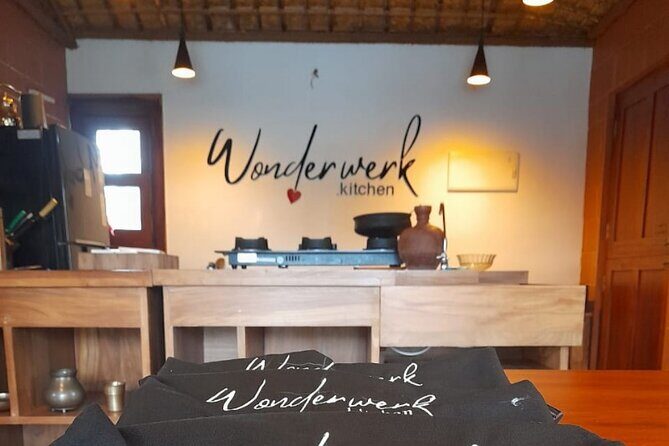
Back in the kitchen, you cook together as the session moves from ingredient selection into actual technique. The focus is on different cooking methods and the art of combining spices, or masalas.
This is where the experience becomes practical. You don’t just hear about spices—you watch how they behave in preparation and how they fit into the overall cooking plan. Then you try. That hands-on element is what turns a food lesson into a skill you can reuse.
The experience is designed to work for mixed groups. Vegetarian participants are introduced to a variety of vegetarian meals, while non-vegetarian options (fish and meat) are included based on individual preferences. That means you’re not forced into one menu style; you’re cooking the way the group actually eats.
You’ll also have time for warm conversation during and after cooking. It’s not just instruction; it’s a relaxed pace that lets you ask questions while you’re working.
Cooking for veg and non-veg without losing the fun
Kerala meals can mean very different things depending on diet, but this class handles it with a practical approach: it adapts. Vegetarian participants are guided through a set of vegetarian dishes, while fish and meat dishes can be prepared for those who want them.
What I like about this setup is that it keeps the session coherent. Everyone’s there for the same overall experience—market, kitchen, cooking, and eating—but your plates can match your preferences.
If you’re traveling with people who eat differently, this style is useful. It avoids the awkward situation where one person’s learning food and the other person ends up with a generic substitute.
You should still think about one factor: the menu you get depends on what’s chosen at the market and what your group wants. That’s normal and part of the point, but it means you can’t assume the exact dishes will be identical every time.





The shared meal moment and the Sulaimani Tea touch
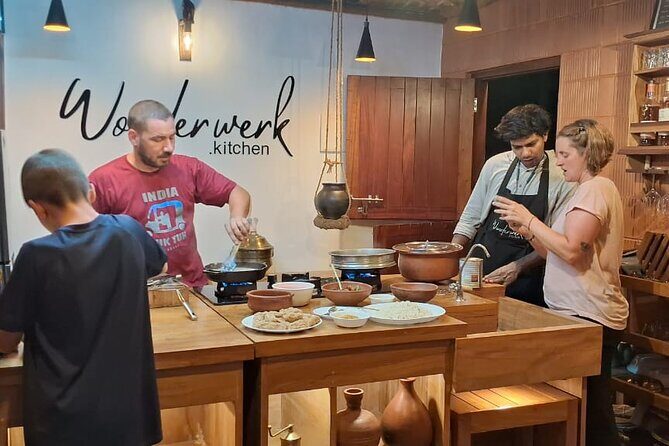
After cooking, you’ll sit down and share the food over warm conversation. This is one of those small parts that can feel like a big deal, because it turns the class into a real meal, not a demo with leftovers.
A key detail is the cup of Sulaimani Tea at the end. It’s a nice closing ritual that gives the session a local finish. It also makes the whole experience feel intentional: you don’t rush out the moment you’re done cooking.
This shared meal format is also where you can get the most value. If you’re curious about why something tasted the way it did, you’re in the right place to ask. And if you want to repeat dishes later, tasting your own food right away helps the lessons stick.
What the host style teaches you (not just recipes)
Chef Jesvanth is central to the experience, and the vibe shows up in the way the session runs. People describe the guidance as clear and easy to follow, with explanations that help you learn cooking methods rather than memorizing a script.
You’ll also get a sense that cleanliness and organization matter. One review highlights how meticulously maintained and clean the kitchen was, which is a huge plus when you’re actively cooking. Nothing kills the fun faster than a space that feels chaotic.
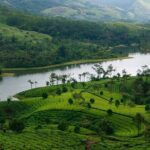
Even better: you’re not stuck inside a bubble. Many sessions include a walk through the local village area to help you connect food to daily life. That helps you understand what you’re eating beyond spices and technique—it places the ingredients in context.
Price and value: is $89.89 worth it?
At $89.89 per person, this isn’t the cheapest activity in Kerala. But it’s also not trying to be a quick “cook and go.” You’re paying for ingredients gathered together, a guided market stop, hands-on preparation, and then a sit-down meal with tea.
Here’s the practical value math. A typical cooking class might give you technique in a kitchen. This one adds two things that are hard to replicate yourself on a vacation: the freshness selection step and the guided logic of masala combinations. Those are the pieces that make you better at cooking later.
The private group setup also helps value, because you’re not competing with strangers for attention. That matters if you want real answers about what you’re doing and why.
Booking pace is another practical note: it’s commonly booked about 10 days in advance. If you’re traveling in peak season or during weekends, I’d plan ahead rather than hoping a last-minute opening appears.
Weather, pace, and who this suits best
This experience requires good weather. Since the session includes market time and local walking elements, plan to keep your schedule flexible enough to handle a weather shift.
The good news: it’s designed so most travelers can participate, including families and food-focused groups. Service animals are allowed, and it’s near public transportation, which can make the start easier if pickup doesn’t work for you.
Best fit:
- You want a hands-on cooking lesson in Kumarakom, not a staged meal
- You’re interested in Kerala spice logic and real ingredient selection
- You’re traveling with mixed diets (veg and non-veg preferences) and want everyone included
Less ideal if:
- You hate markets or shopping stops
- You’re looking for a long, in-depth day tour rather than a focused four-hour meal class
Should you book this Kerala meal cooking class?
If you’re the kind of traveler who remembers meals because they taught you something, I’d book it. The combination of market shopping + cooking instruction + shared meal is what makes this feel practical, not just entertaining.
Go for it if you want a guided way to understand how fresh ingredients and masalas work together in real Kerala meals. Skip it only if you’re strongly sensitive to weather disruption or you’re hoping for a class with zero uncertainty—this one depends on market choices and works best when you go with the flow.
FAQ
How long is the Kerala meal experience?
It runs for about 4 hours (approx.).
Where does the experience start and does it include pickup?
The meeting point is Cheepunkal, Kavanattinkara, Kumarakom, Kerala 686563, India. Pickup is offered, and the activity ends back at the meeting point.
Is this tour private or shared with other groups?
It’s a private tour/activity, meaning only your group participates.
What will I cook if I’m vegetarian?
Vegetarian participants are introduced to a variety of vegetarian meals prepared according to the group’s preferences.
Will fish or meat dishes be included?
Fish and meat dishes can be included depending on individual preferences in the group.
How do tickets and confirmation work?
You’ll receive a mobile ticket, and confirmation is received within 48 hours of booking, subject to availability.
What happens if the experience is canceled?
The experience is non-refundable and can’t be changed for any reason. If it’s canceled due to poor weather, you’ll be offered a different date or a full refund. If the minimum number of travelers isn’t met, you’ll also be offered a different date/experience or a full refund.