REVIEW · HOSAPETE
HAMPI FULL DAY TOUR FROM HOSPET
Book on GetYourGuide →Operated by TOP TRAVEL AND TOURS P LTD. · Bookable on GetYourGuide
Hampi feels like history turned into stone. I love the Vijaya Vitthala Temple musical pillars and the Elephant Stables craftsmanship. It’s a well-paced day, but entrance fees are not included, so plan for that extra cost.
A strong English-speaking guide matters here because Hampi’s ruins are spread out and easy to misunderstand. On this tour, you get a guided visit with clear context, plus storytelling that makes the Vijayanagara era easier to picture.
You’ll start with morning pickup from your Hospet hotel and head out in an air-conditioned private car. The total time is about 8 hours, which is a great length if you want a full taste of Hampi without turning it into a multi-day project.
In This Review
- Key Highlights You’ll Actually Care About
- Price and Logistics: What You’re Really Paying For
- Setting Out From Hospet: A Smooth Start to a Long Day
- Hampi as an Open-Air World Heritage Site: What You’re Looking At
- Virupaksha Temple: The Living Center of the Complex
- Vijaya Vitthala Temple: Musical Pillars and the Stone Chariot Icon
- Hampi Bazaar (Virupaksha Bazaar): Where the City’s Daily Life Shows Up
- Lotus Mahal: A Royal-Style Structure You Can’t Ignore
- Elephant Stables: The Engineering Side of Royal Power
- A Note on the Tour Pace: How the Day Feels in Real Time
- Who This Tour Suits Best (and Who Should Rethink It)
- Should You Book This Hospet-to-Hampi Full Day Tour?
- FAQ
- How long is the Hampi full day tour from Hospet?
- Where does pickup happen for this tour?
- Is the tour private or shared?
- What language is the guide?
- What are the main stops during the day?
- Is the entrance fee included?
- What’s included in the price?
- Can the tour be customized?
- Is alcohol allowed on the tour?
- Is the tour wheelchair accessible?
Key Highlights You’ll Actually Care About
- Guided ruins route: you’ll hit the core sites with time to look, not just rush through.
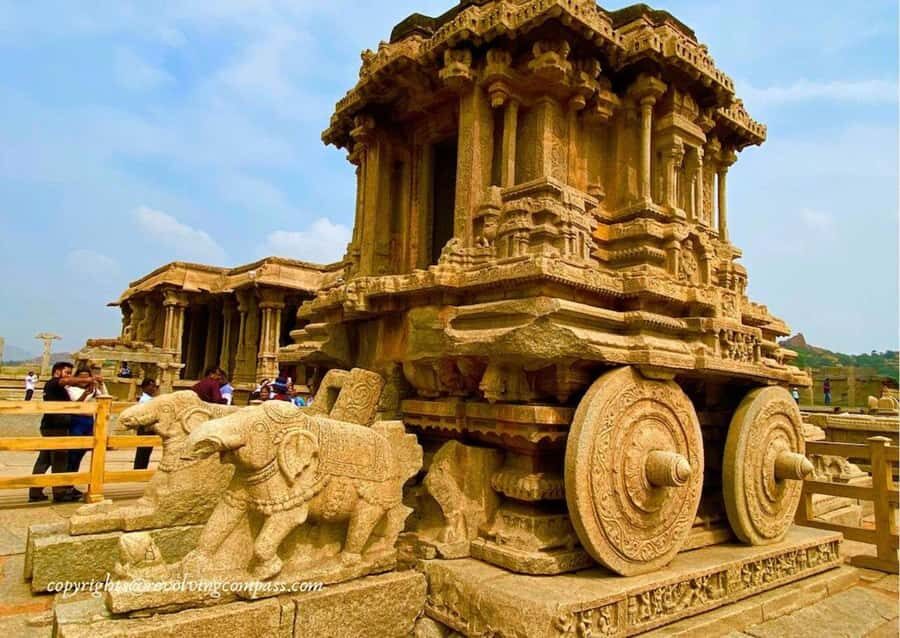
- Vijaya Vitthala Temple: musical pillars plus the stone chariot area you came for.
- Virupaksha Temple and Hampi Bazaar: sacred space meets the trading-world vibe of the old city.
- Lotus Mahal: a rare, elegant structure that helps you understand royal life.
- Elephant Stables: an impressive surviving piece of Vijayanagara-era logistics.
- Private AC transport from Hospet: less hassle, more daylight at the ruins.
Price and Logistics: What You’re Really Paying For
At $82 per person for an 8-hour private day tour, this is the kind of price that makes sense when you look at what’s included. You’re not just buying a seat on a bus—you’re buying private round-trip transfers from Hospet city hotels in an air-conditioned car, plus an English-speaking guide in Hampi, plus two bottled waters (500 ml) per person and applicable taxes.
The one thing to mentally subtract up front is entrance fees. Because they’re not included, your final cost depends on the site ticketing you pay at the ground level. If you like arriving with a clear budget, I’d set aside extra money for entry costs before you go.
The route is designed for a smooth day: guided stops at Hampi, then key monuments one by one. Each guided segment is about an hour, which is long enough to ask questions and actually see details instead of looking from a distance and hoping it clicks later.
Transport is also handled thoughtfully for small groups. The car you get depends on your party size, with sedans for 1–2 people, an Innova-style vehicle for 3–4 people, and a larger 9-seater for groups up to 8. That matters because Hampi days can feel long; comfort and quick transfers reduce the fatigue that can creep in.
And if you’re staying in Hospet proper, pickup is included. If you’re starting from outside the city (airport/railway/hotel outside Hospet city area), there may be an extra charge paid directly.
Setting Out From Hospet: A Smooth Start to a Long Day
I like tours like this one because they take the early friction out of the day. You begin with morning pickup from your Hospet hotel, then you drive to Hampi with a private vehicle. No searching for transport. No working out directions while you’re still half-awake.
That first drive time is part of the value. It keeps the day “clean,” so you can arrive at the sites ready to focus. Once you’re on the ground, you’ll have a guide keeping the schedule in order and handling the transitions between major stops.
Also note the tour is a private group. That generally means you can move at a pace that works for you, instead of being trapped in a herd rhythm. If you want to ask about a carving or want a slower look at something like the architectural details at Virupaksha or the layout of the bazaar area, a guide can usually accommodate better in a private setup.
Hampi as an Open-Air World Heritage Site: What You’re Looking At
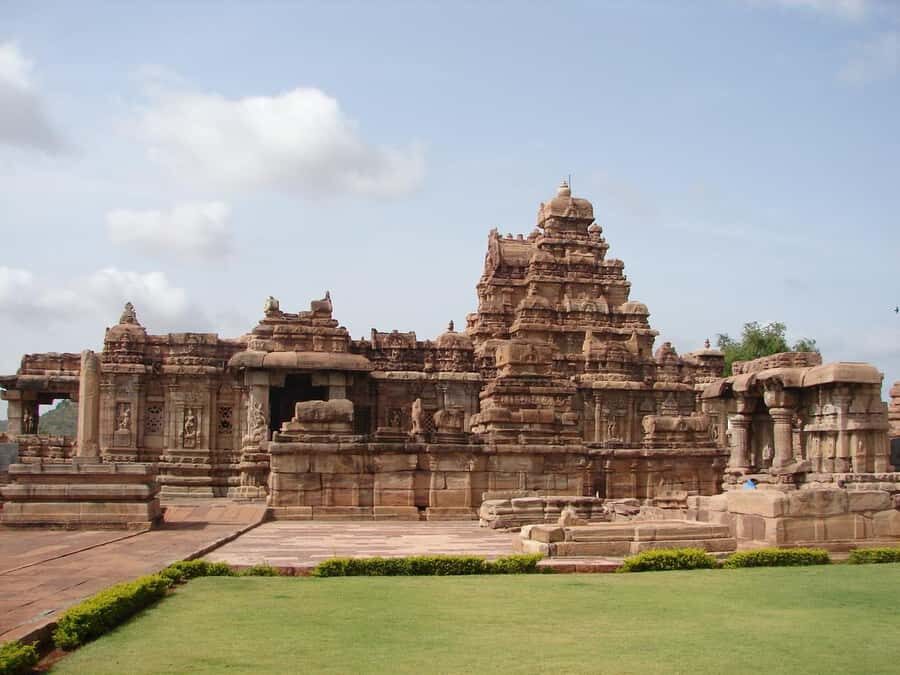
Hampi isn’t one monument. It’s an entire historical zone. The UNESCO listing covers over 4,100 hectares and includes more than 1,600 monuments, from temples and palaces to royal complexes.
In practical terms, that scale changes how you should experience the place. You don’t want to treat it like a single museum stop. You want a route that picks representative structures and connects them to the bigger Vijayanagara story (14th–16th centuries), because each group of buildings tells a different part of the same urban puzzle.
This tour is structured around that idea. You’ll focus on major stops that represent the religious core, the city’s public life, and the royal/administrative side of the kingdom. And because the guide’s job is to interpret what you’re seeing, you’re less likely to walk away with a list of names and no mental picture.
Virupaksha Temple: The Living Center of the Complex
One of the most important stops is Virupaksha Temple, dedicated to Lord Shiva. This is not only a standout building; it’s also an active place of worship. That means you’re seeing a space that still matters to people today, not just a carved relic.
You’ll get a guided visit that helps you read the temple’s significance beyond its age. Expect to spend time on the intricate carvings and learn how the temple fits into the broader Hampi layout.
A benefit of making this your early stop is that it sets the tone. When you see a working sacred site first, the rest of the ruins start to make more sense. You can better understand why certain areas were designed with ritual life in mind, and why architecture mattered so much in the daily rhythm of the city.
Vijaya Vitthala Temple: Musical Pillars and the Stone Chariot Icon
If you’re coming to Hampi for the Instagram-friendly moments, Vijaya Vitthala Temple is the reason. It’s famous for the musical pillars—often associated with the idea that the stone columns can produce tones when struck or touched in the right way. Whether you think about it as science or as a symbol of craftsmanship, the payoff is the same: you’re looking at a deliberate architectural statement.
This stop also connects to one of Hampi’s most iconic images, the stone chariot. It’s the type of monument that can look almost abstract from far away—until you stand near it and realize how much intention went into proportions and detailing.
I like this stop because the guide can help you switch modes from sightseeing to understanding. You stop treating the carvings as decorations and start seeing them as part of a larger plan: religion, royal patronage, and engineering skills all folded into one visual language.
Hampi Bazaar (Virupaksha Bazaar): Where the City’s Daily Life Shows Up
After temples, you’ll head to Hampi Bazaar, also known historically as Virupaksha Bazaar. This is one of the best places to reset your understanding of Hampi from sacred space to public life.
The bazaar area is known for its importance as a marketplace during the Vijayanagara Empire. That’s where the city’s economy and social energy would have been on display—pavilions, local commerce, and cultural events. The tour also notes the area’s connection to traditions like the annual Hampi Utsav.
What I like about including this stop is that it prevents the day from becoming only temples and royal buildings. You get a sense of how the kingdom functioned day to day: people gathering, trading, and moving through a shared urban space.
One note: bazaar areas can include uneven ground and shifting crowd levels depending on the day. If you want your photos without stress, a guided visit helps you time your looks so you’re not always trying to fight for a clear view.
Lotus Mahal: A Royal-Style Structure You Can’t Ignore
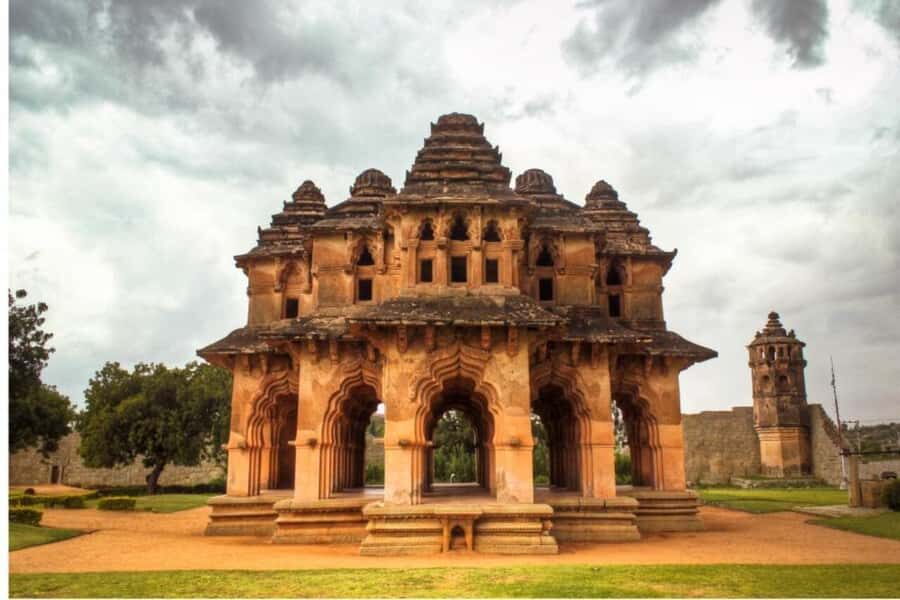
Next is Lotus Mahal, known for its elegant, lotus-inspired architecture. This is a distinctive design choice in a place where many structures are built around ritual forms and power.
The tour explains its believed role as a meeting place for royal women. Whether you take that as history you can prove on the spot or as a traditional interpretation, the point for your visit is the same: this building highlights that royal life wasn’t only ceremonial. There were spaces for private gatherings and courtly moments, and the architecture reflected that.
I’d think of Lotus Mahal as a bridge between the city’s sacred and secular sides. It’s still about status and authority, but it doesn’t feel like the same kind of temple power. It’s softer in shape, more decorative, and it gives you a well-rounded view of Vijayanagara architecture.
Elephant Stables: The Engineering Side of Royal Power
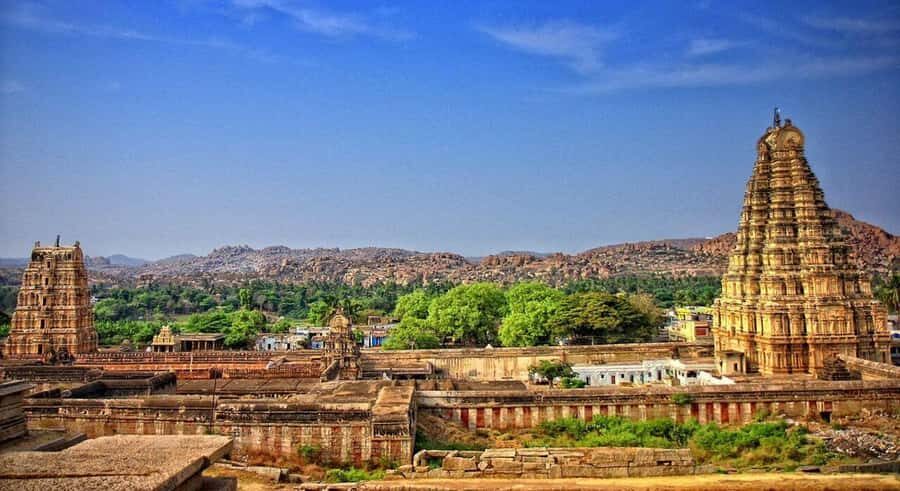
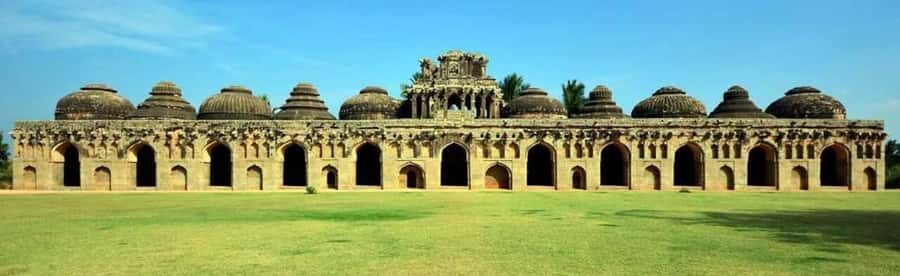
Then comes Elephant Stables, a major architectural feature used as royal stables for elephants in the 15th century. This is one of those stops that can surprise you if you expect Hampi to be only about temples.
Here, you see how the kingdom supported power in practical ways. Elephants mattered for warfare, ceremonies, and status displays. So the buildings aren’t just animal infrastructure—they’re part of how royal authority operated.
The structure itself is impressive, and the guided hour gives you a chance to understand why it was built like it was: placement, stonework, and the way the facility relates to the surrounding complex.
I also like ending this part of the route because it widens your sense of what “ruins” means. You start appreciating Hampi as an entire system—religious, economic, and logistical—rather than a collection of standalone monuments.
A Note on the Tour Pace: How the Day Feels in Real Time
This tour is built as a sequence of guided segments, with about an hour allocated to each main area: Hampi guided viewing, the next guided section, Vijaya Vitthala Temple, Hampi Bazaar, Lotus Mahal, and Elephant Stables. You’ll also have time for pickup and the drive back to Hospet.
That rhythm is useful because Hampi can overwhelm you if you try to self-guide with no plan. A set route helps you avoid the common mistake of spending too long in one area and arriving late or rushed at the next.
It also matters that the tour is private. If you want small tweaks, the setup is meant to support requests. One practical example from the experience notes is that the car driver can be flexible with demands, which helps if you need small timing adjustments during the day.
Who This Tour Suits Best (and Who Should Rethink It)
This is a great fit if you want a full Hampi hit from Hospet with an English guide and private transport. You’ll probably be happiest if:
- you like structured days with a clear route
- you want help understanding what you see at major monuments
- you’re traveling as a small group or couple and want less hassle
It may be less suitable if you’re dealing with mobility concerns. The tour is not wheelchair accessible, and it also notes it’s not suitable for pregnant women. Also, infants must sit on laps.
If you want to travel with alcohol in mind: alcohol and drugs are not allowed, so plan accordingly. Bring water and wear what you can comfortably move in, since you’ll be spending meaningful time outdoors.
Should You Book This Hospet-to-Hampi Full Day Tour?
I’d book this tour if you want a focused, guide-led introduction to Hampi’s best-known monuments without wrestling with logistics. The price is reasonable for the package because you get private AC transfers from Hospet plus an English guide who helps you connect the sites—Virupaksha, Vijaya Vitthala, Hampi Bazaar, Lotus Mahal, and Elephant Stables—into a coherent story.
I’d think twice if entrance fees would stretch your budget, since they’re not included. Also, if you need wheelchair access or you fall into the pregnancy-unsuitable guidance, choose another option.
If your goal is simple—see the highlights, understand what they mean, and return to Hospet the same day—this is a solid, practical choice.
FAQ
How long is the Hampi full day tour from Hospet?
The tour duration is listed as 8 hours.
Where does pickup happen for this tour?
Pickup is included from hotels in Hospet city.
Is the tour private or shared?
This is a private group tour.
What language is the guide?
The guide is English-speaking.
What are the main stops during the day?
The tour includes guided time at Hampi, Virupaksha Temple, Vijaya Vitthala Temple, Hampi Bazaar, Lotus Mahal, and Elephant Stables.
Is the entrance fee included?
Entrance fees are not included.
What’s included in the price?
Included items are private AC vehicle transfer, pickup and drop from Hospet city hotels, an English-speaking guide at Hampi, 2 mineral water bottles (500 ml) per person, and all applicable taxes.
Can the tour be customized?
Yes, the tour can be customized as per customer requirements.
Is alcohol allowed on the tour?
No. Alcohol and drugs are not allowed.
Is the tour wheelchair accessible?
No, it is not wheelchair accessible.