REVIEW · KOCHI
Cultural Tour To Vaikom Village
Book on Viator →Operated by Globes Travel · Bookable on Viator
Small canoe, slow Kerala backwater magic. This Vaikom village outing pairs a private car ride with a small canoe on narrow canals, so you see village life and water life at close range instead of from a distance. I like the way it feels personal and unhurried thanks to a representative and private guide, but the canoe and village walk mean you should be comfortable with moderate movement.
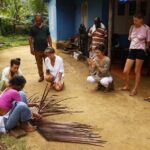
The other big draw is craft-focused village time: you’ll watch hand-spun and hand-woven cloth being made, plus see coir ropes and straw mats created from natural fibers. I also like that traditional Kerala lunch is included, so you’re not hunting for food mid-tour—just be ready for an afternoon that’s mostly about observing, not rushing around shopping stalls.
In This Review
- Key highlights you’ll actually notice
- Vaikom Village and the Mahadeva Temple stop
- Backwaters by open country boat and narrow canals
- The canoe ride and village walk: how close is close?
- Khadi weaving centre: from yarn to cloth in one stop
- Coir ropes, pineapple-leaf mats, and everyday craft work
- Pottery with ethnic designs in clay
- Traditional Kerala lunch and the 5–6 hour rhythm
- Value, price, and what you’re paying for
- Who this tour suits best
- Should you book the Vaikom village tour?
- FAQ
- Where does the Vaikom village tour start?
- What time does the tour begin?
- How long is the tour?
- Is this a private tour or a shared group?
- What’s included in the price?
- Is alcohol included?
- Do I get a mobile ticket?
- Is there admission at the temple stop?
- Do I need good fitness for the tour?
- What happens if weather is bad or I cancel?
Key highlights you’ll actually notice
- Small canoe ride for a closer look at backwaters and water creatures
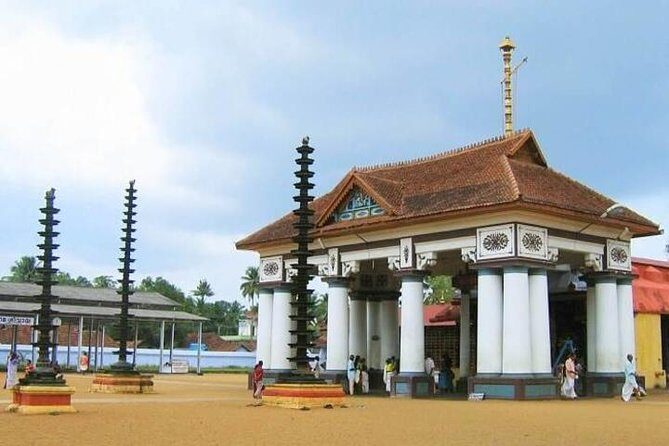
- Vaikom Mahadeva Temple visit, one of the older Siva temples in Kerala
- Khadi Weaving Centre stop to see yarn to woven cloth (cotton, silk, or wool)
- Coir rope and pineapple-leaf mats: natural materials turned into real daily-use items
- Potter’s workshop-style moment, with pots and vases shaped and decorated in clay
- 5–6 hour pacing with lunch included and time to linger if the schedule allows
Vaikom Village and the Mahadeva Temple stop
Your day starts from Kochi with pickup at C.P.T Junction / Halt, Willingdon Island, with a start time of 8:30am. From there, the tour heads toward Vaikom, about 40 km from Kottayam, which sets the tone: you’re leaving the city early enough to get to village life while the day still feels calm.
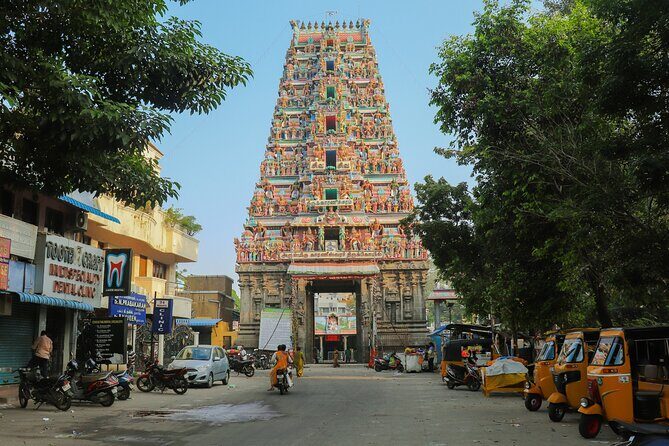
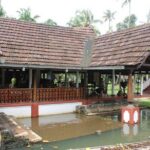
The first cultural anchor is VAIKOM MAHADEV TEMPLE (Mahadeva Temple). It’s described as one of Kerala’s most famous and oldest Siva temples. Even if you’re not deeply religious, it’s a meaningful place to start because it gives context for why villages like this matter—temples aren’t just monuments; they’re part of daily rhythm, festivals, and community identity.
Practical note: this is an area where you’ll likely need to respect the rules of a sacred site (dress and behavior). The tour doesn’t spell out specifics, so I’d simply plan to act like you’re entering a working temple space—quiet voices, slow steps, and modest coverage.
You can also read our reviews of more historical tours in Kochi
Backwaters by open country boat and narrow canals
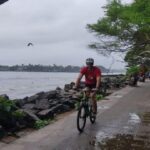
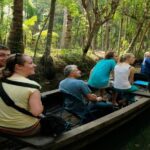
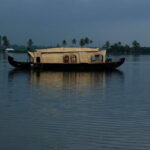
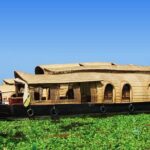
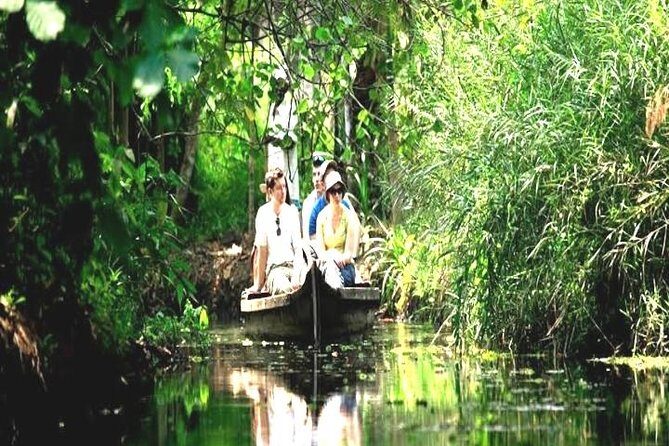
After the temple stop, the tour shifts to water—backwater cruising by open country boat through natural narrow canals. This part is built for relaxation, not speed. The itinerary even flags the goal: getting an opportunity to enjoy local water life such as fishes, water snakes, shell fishes, tortoises, and frogs.
A key detail is the canal size. Narrow canals change everything. You don’t feel like you’re just watching scenery from far away. Instead, you get a sense of how the water threads through the villages and how life fits around it. If you’re the type who likes to spot movement—ripples, birds, a quick flash of something in the shallows—this is the segment that rewards your attention.
And yes, this tour includes a canoe ride after that cruise. The canoe is the moment many people highlight when they talk about what makes this style of tour special: small boat time brings you closer to the banks and makes the water feel more intimate. In practical terms, it also means you’ll spend more time seated in a smaller, more exposed craft than you might on a typical large-boat ride.
The canoe ride and village walk: how close is close?
This experience is designed around the idea that you learn more by being near things than by zooming past them. The sequence is temple → backwaters by open country boat → canoe ride → walk through the village → craft stops.
The village walk is where the tour becomes less about photography and more about understanding how people live. You’ll interact with local villagers and their families, which matters because it turns craft and culture into something human. You’re not just seeing objects; you’re seeing the people who use (and make) them.
What I appreciate is that the itinerary doesn’t oversell this as a performance. It’s paced as a series of real-world stops: walk, small conversations, craft observation, then back to the next activity. That’s usually the difference between a good cultural outing and one that feels like a checklist.
Possible consideration: because there’s a canoe ride and a village walk, you should plan for moderate physical fitness. The tour also notes this directly. If you have balance issues or get uncomfortable in small boats, this may be the part that asks the most from you.
Khadi weaving centre: from yarn to cloth in one stop
One of the most practical elements of this tour is that it explains livelihoods through what people actually do with their hands. After the canoe and village walk, there’s a brief stop at a Khadi Weaving Centre.
Here, you’ll see villagers produce hand-spun and hand-woven cloth using cotton, silk, or wool yarns. Khadi typically signals cloth made from spinning and weaving processes rooted in local tradition. The value of this stop is that it connects earlier village conversations to a visible production step.
You might not get a full factory tour (the stop is described as brief), but you’ll get enough to understand the workflow: yarn first, then weaving. And once you’ve seen that, the rest of the day makes more sense—because the tour isn’t treating crafts as souvenirs. It’s treating them as jobs.
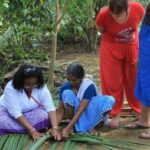
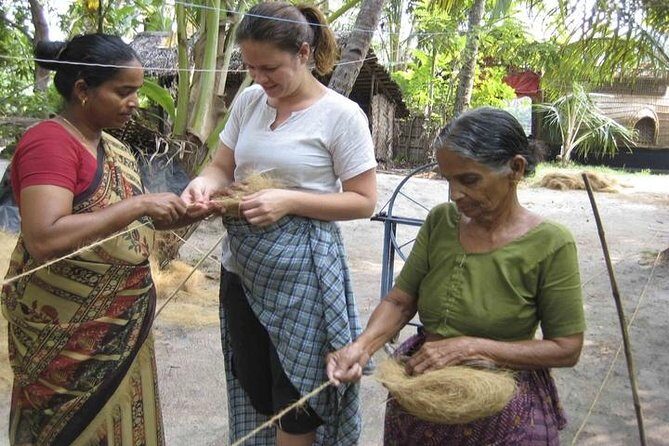
Also, the tour pays attention to different materials and uses. In the broader village craft description, ladies weave coir ropes from dried coconut husks, and you’ll see straw mats woven from wild pineapple leaves. Those details matter because they show how the village uses what grows nearby instead of relying on imported resources.
Coir ropes, pineapple-leaf mats, and everyday craft work
This is where the tour’s “small things, big meaning” approach shows up. In many cultural tours, crafts get reduced to a single display. Here, the description gives you multiple examples of daily-use items made with natural fibers.
- Coir rope from coconut husks: This is a classic Kerala material story—coconut byproducts turned into ropes that fit real needs.
- Straw mats from wild pineapple leaves: That’s a more unusual fiber choice, and it helps you see that local skills aren’t limited to the obvious.
If you enjoy craft work, you’ll likely find these moments satisfying because you can connect the raw material to the final product. You can also ask smarter questions than usual. Instead of What is this? you start thinking How do they prepare the fiber? How do they keep quality consistent?
The tour doesn’t give step-by-step technical instructions in the summary, so keep your expectations realistic: you’re there to observe and learn what you can in a short visit, not to train as a weaver during lunch.
Pottery with ethnic designs in clay
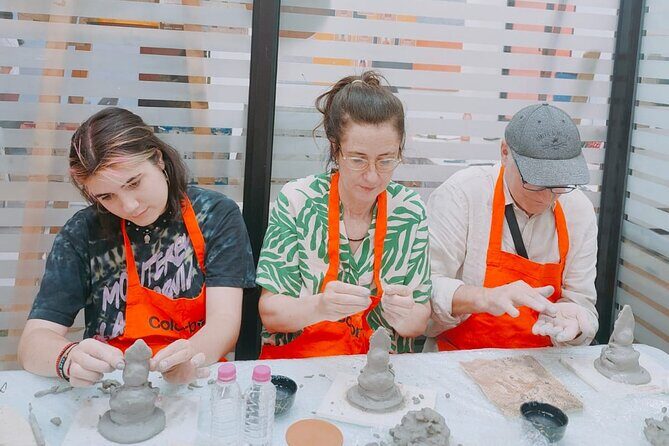
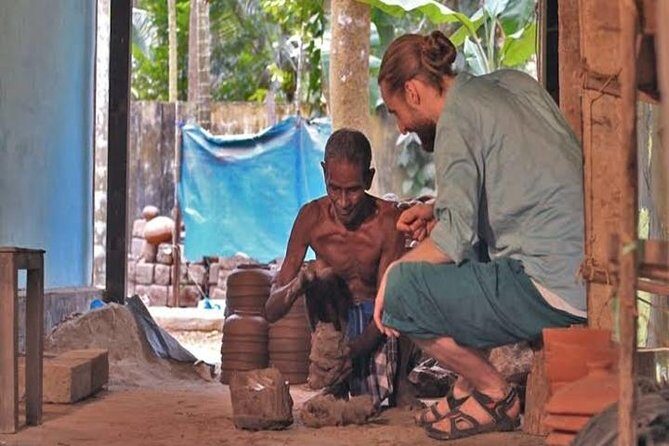
The tour also includes a pottery component. You’ll watch a local potter create a range of pots and vases, with ethnic designs in clay.
This stop works well after weaving, because it gives you a second kind of craft thinking: weaving is about fibers and tension; pottery is about form and shaping. Together, they show how villages often support multiple crafts through generations of practice.
I like that the pottery description doesn’t make it sound like a high-tech studio. It’s presented as local craft output—something made for use and identity, not just for decoration. If you’re the type who enjoys watching hands at work, this is a strong final “skills” anchor before the meal.
Traditional Kerala lunch and the 5–6 hour rhythm
Lunch is included, described as a traditional Kerala lunch. That’s a big deal for value. Eating out on the road can turn into a surprise cost, and it can also stretch the day. Here, the meal is part of the plan, which keeps your timing under control.
Your overall time is about 5 to 6 hours. That’s long enough to get a full cultural arc—temple, backwaters, canoe, village walk, weaving centre, pottery—and still short enough to keep fatigue manageable.
The tour also mentions that after lunch, if time allows, you can spend some more time around the village. That’s the kind of flexible detail that makes a half-day feel less rigid. You’re not guaranteed extra time, but it’s a nice possibility if the schedule is running smoothly.
Alcohol isn’t included, so if you want drinks, plan on paying separately. Bottled water is included.
Value, price, and what you’re paying for
The price is $106.67 per person, with a typical booking window of about 36 days in advance. That puts this in the category of a mid-range guided half-day. The value question is less about the raw number and more about what’s bundled.
Here’s what you’re getting in the basic price:
- Air-conditioned vehicle for the journey
- Bottled water
- Lunch
- All fees and taxes
- A private tour/activity (your group only)
- Mobile ticket
It’s also labeled as having group discounts. That matters if you’re traveling as more than one person, because you may get a better per-person deal than a solo booking would.
Admission is noted as Admission Ticket Free for the time segment listed, and the package includes all fees and taxes. So you’re not likely to get hit with add-on costs for core entry.
One possible drawback on the value front: because it’s a private tour for your group, you’re paying for that exclusivity. If you’re okay sharing time with other groups, you might find cheaper options elsewhere. But if you want less crowd pressure and more guide attention, this format usually earns its keep.
Who this tour suits best
This is a good match if you like:
- Backwaters close-up, especially via smaller watercraft
- Crafts that connect to daily livelihoods (weaving, coir rope, mats, pottery)
- A plan that balances culture with a bit of nature
It may be less ideal if you:
- Want a long, deep dive into one museum or a single site
- Prefer mostly indoor time or prefer to avoid any boat seating and walking
- Are looking for lots of shopping stops (this itinerary is observation-led)
Since the tour calls for moderate physical fitness, I’d treat that as a friendly nudge: you’ll likely be fine if you can handle a village walk and comfortably sit for boat segments.
Should you book the Vaikom village tour?
I’d book it if you want a half-day that connects Kerala culture to real livelihoods—cloth, fibers, and clay—while still giving you a standout backwaters experience. The canoe ride is the kind of detail that changes how you remember a trip, because it makes the water feel like part of the village rather than just something you pass by.
Skip it (or consider alternatives) if you’re sensitive to the idea of a small boat ride or you’d rather spend the day in one place without moving between temple, craft stops, and multiple water segments.
If you’re traveling through Kochi and want something that feels local without being complicated, this is a straightforward choice—especially if you book ahead and show up ready for a calm but active morning.
FAQ
Where does the Vaikom village tour start?
It starts at C.P.T Junction / Halt, Willingdon Island, Kochi, Kerala 682029, India.
What time does the tour begin?
The start time is 8:30am.
How long is the tour?
The duration is listed as about 5 to 6 hours.
Is this a private tour or a shared group?
It’s private, and only your group will participate.
What’s included in the price?
Included items are bottled water, lunch, air-conditioned vehicle, and all fees and taxes.
Is alcohol included?
No. Alcoholic beverages are not included.
Do I get a mobile ticket?
Yes. The tour includes a mobile ticket.
Is there admission at the temple stop?
The itinerary notes Admission Ticket Free for the segment listed.
Do I need good fitness for the tour?
It’s suitable for moderate physical fitness. There’s a village walk and a canoe ride, so you should be comfortable with that level of activity.
What happens if weather is bad or I cancel?
The experience requires good weather. If it’s canceled due to poor weather, you’ll be offered a different date or a full refund. You can also cancel for a full refund up to 24 hours before the experience’s start time.